Play store

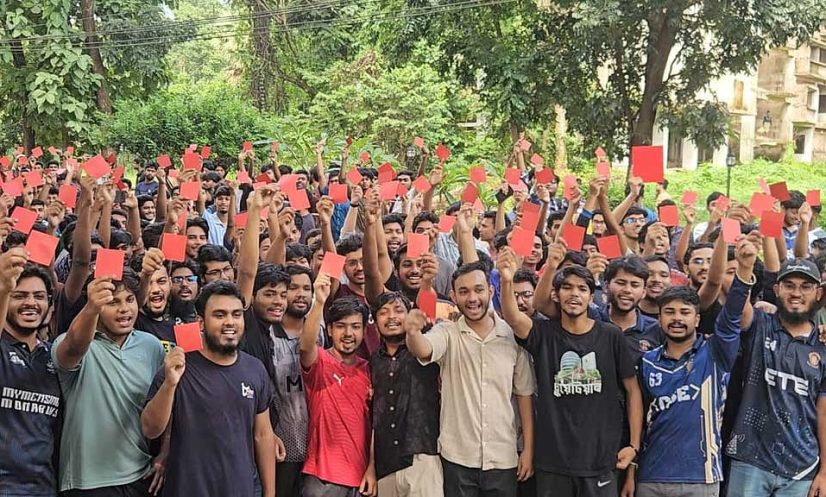
Teachers and students of Chittagong University of Engineering and Technology (CUET) have agreed to resume academic activities after a 33-day shutdown, while pledging to continue their movement demanding the reinstatement of former Vice-Chancellor Professor Abu Sadat Muhammad Sayem.
On Sunday, October 25, students issued an open letter to teachers seeking their cooperation in creating an environment conducive to resuming classes.
The CUET Teachers’ Association also decided at a general meeting to urge students to return to classrooms.
In the letter, students said the prolonged suspension of classes and examinations had seriously affected their academic progress and created uncertainty about their future careers.
They said they did not want to suffer further academic losses and wanted normal educational activities to resume as soon as possible.
However, the students made it clear that returning to classes did not mean withdrawing from the movement.
They reiterated their demand for the reinstatement of Professor Sayem and said the joint movement involving teachers, officers, employees and students would continue until their demand was met.
They also warned that they would launch tougher protests if the newly appointed Vice-Chancellor, Professor Sheikh Shariful Alam, attempted to enter the campus again.
The students said they wanted to continue their studies alongside their peaceful movement and called on teachers to consider both their academic future and their demands.
Meanwhile, CUET Teachers’ Association Joint Secretary Samiun Basir said the association had decided to call on students to resume classes.
He added that individual departments would determine their respective dates for restarting academic activities.
The Ministry of Education removed Professor Sayem from the vice-chancellor’s post on September 21 and appointed Professor Sheikh Shariful Alam, formerly of Khulna University of Engineering and Technology (KUET), as his replacement.
Protesting the decision, students launched a complete shutdown on September 22.
Teachers, officers and employees subsequently joined the movement through work stoppages and non-cooperation programmes, bringing most academic activities at the university to a halt.