


 Play store

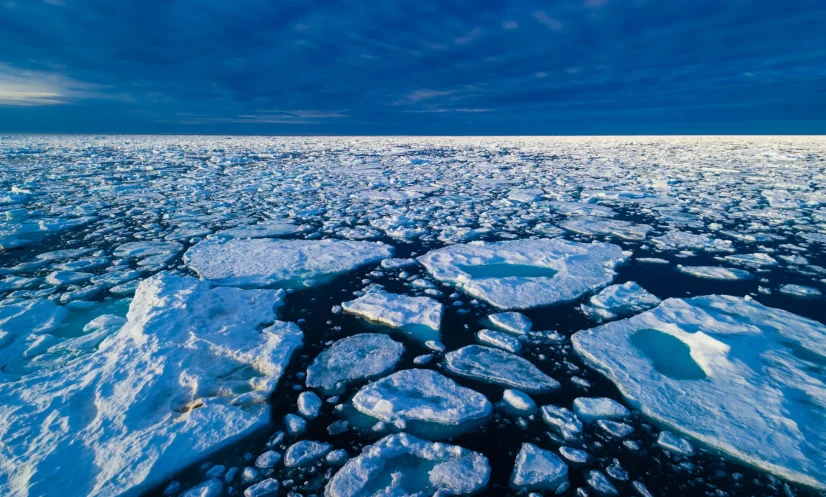
The Arctic could lose around one million square kilometres more winter sea ice than previously projected, according to a new study that uses evidence from a warmer Arctic 6,000 years ago to improve climate models.
The findings, published in Nature Geoscience, could also have implications for winter weather in the United Kingdom and other parts of Europe, as declining sea ice affects the exchange of heat and moisture between the Arctic Ocean and the atmosphere.
While the rapid retreat of Arctic sea ice during summer has attracted considerable attention, winter ice loss has been less extensively studied. Climate models have also shown significant differences in their projections of winter ice coverage, making it difficult to determine the scale of future losses.
To improve those estimates, researchers from the University of Cambridge and Mexico’s Centro de Investigación en Matemáticas (CIMAT) examined ancient climate records preserved in Arctic Ocean sediments.
The team compiled what the study describes as the largest database of its kind of a chemical marker produced by algae living within sea ice. The evidence came from sediment cores dating back to the mid-Holocene, around 6,000 years ago, when changes in Earth’s orbit contributed to warmer Arctic conditions and less extensive sea ice.
The period provides scientists with a natural reference point for understanding how Arctic sea ice responds to warming and for assessing the accuracy of modern climate simulations.