


 Play store

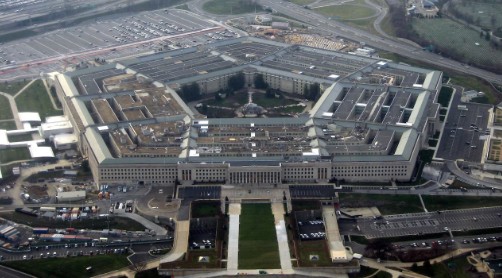
The Pentagon is preparing to ensure that US military bases can operate for at least 90 days without outside assistance during a major war, as the United States seeks to strengthen its military readiness against disruptions to power, water, fuel, communications and global supply chains.
The plan, known as the FORTRESS initiative, aims to help major military installations on the US mainland continue operating independently if civilian infrastructure and supply networks are disrupted during a conflict, according to reports citing documents reviewed by Fox News Digital.
Pentagon chief spokesman Sean Parnell told Fox News Digital that relying on civilian electricity, water and other public infrastructure to sustain national defence operations poses significant risks.
Electricity is now an integral part of military capability, he said, noting that power disruptions could affect communications, water supplies, logistics, manufacturing and military command systems. Rather than addressing these problems after a major conflict begins, the Pentagon wants to prepare in advance.
Under the FORTRESS initiative, military bases could receive independent power supplies through portable nuclear reactors, large-scale battery storage systems and standalone microgrids. These systems would allow installations to continue operating even if they were disconnected from the civilian electricity grid.
The initiative also calls for building strategic reserves of ammunition, fuel, critical minerals, electronic equipment, spare parts and medical supplies. The Pentagon is also seeking to ensure that critical military equipment and materials have at least two alternative suppliers or production sources to reduce the risk of shortages.
The Pentagon is concerned that a future major conflict could spread across multiple theatres, disrupting international supply chains and limiting access to military equipment and essential materials.
To address this risk, preparations are being considered to enable civilian factories to switch to military production during emergencies. The plans also include assessing manufacturing capacity, preparing contracts and cybersecurity arrangements, and conducting regular exercises.
The initiative also seeks to protect military communications, navigation and satellite capabilities against disruptions, including interference with GPS signals and damage to space-based assets.
According to Parnell, US defence planning has long benefited from the assumption that the country’s position between two oceans reduces the likelihood of major threats reaching its mainland. However, the Pentagon believes the changing security environment requires that assumption to be reconsidered.
Through the FORTRESS initiative, the US military aims to reduce its dependence on civilian infrastructure and global supply chains, strengthening its ability to sustain operations during a prolonged conflict.