


 Play store

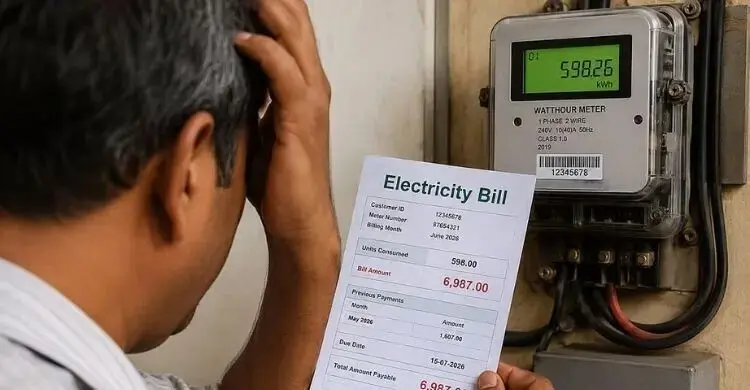
A survey by the Consumers Association of Bangladesh (CAB) has found that 69 per cent of households in Rajshahi City Corporation and Shailkupa Municipality are facing increased pressure from electricity bills relative to their incomes.
The survey also found that 55 per cent of households rated the reliability of electricity supply as poor or very poor, despite improvements in living standards resulting from access to electricity.
The findings were released at a public dialogue organised by CAB at the Dhaka Reporters Unity auditorium on Wednesday.
The comparative survey covered 556 households, including 334 in Rajshahi City Corporation and 222 in Shailkupa Municipality in Jhenaidah district.
According to the survey, electricity access has improved living conditions over the past decade.
Electricity consumption increased in 85 per cent of households, while 77 per cent reported an increase in the number and variety of electrical appliances they owned.
Refrigerator ownership rose from 10 per cent to 40 per cent, while television ownership increased from 34 per cent to 48 per cent.
Around 76 per cent of households said access to electricity had improved the study environment, while 97 per cent of respondents reported feeling safer at night because of electricity.
The survey identified a potential to generate 132.28 megawatt-peak (MWp) of solar power through rooftop installations across four categories of locations.
These include 52.50 MWp at 31 public universities, 51.12 MWp at 150 colleges, 24.60 MWp in Rajshahi City Corporation and 4.06 MWp in Shailkupa Municipality.
CAB recommended public-private partnerships to harness this potential, expand renewable energy use and create employment opportunities.
The organisation also proposed using household electricity consumption data as an initial indicator to identify potentially poor families and improve the targeting of social welfare programmes.
However, it cautioned that electricity consumption alone should not determine poverty status, as some poor households share connections while others in remote areas lack access to electricity.
The survey recommended pilot programmes to test the approach, alongside improved data verification, transparency and accountability.
CAB also called for a review of support for lifeline electricity consumers and measures to ensure a more reliable power supply.