Play store

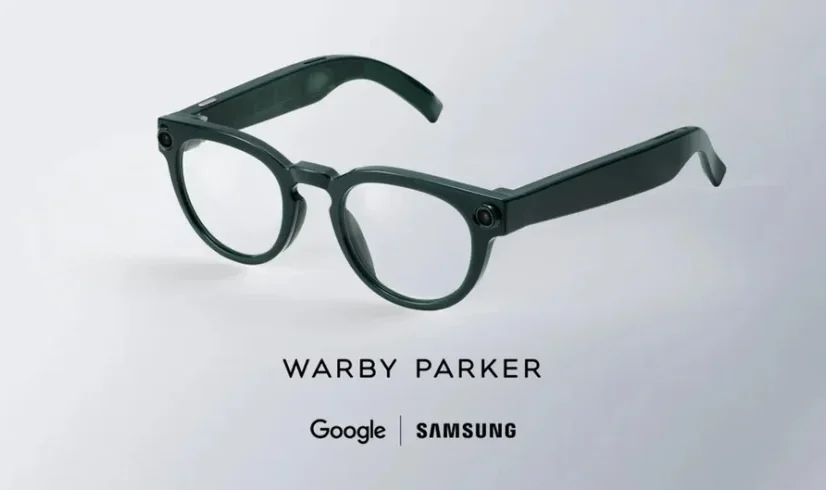
South Korean technology giant Samsung is preparing to launch its first artificial intelligence-powered smart glasses as early as next month, entering the growing wearable technology market dominated by Meta.
According to South Korean technology news outlet ChosunBiz, citing sources familiar with the matter, the glasses could be officially unveiled simultaneously in the United States and South Korea in mid-December 2026. Samsung reportedly plans to expand their availability to Europe, China and Japan in early 2027.
The prototype was first demonstrated last May at Google’s I/O conference as part of the Android XR platform.
The device will be powered by Qualcomm’s Snapdragon AR1 Gen 1 chipset, designed specifically for lightweight smart glasses.
One of its key features will be the integration of Google’s Gemini AI, allowing users to identify objects in front of them, translate written text and spoken languages in real time, and access voice-guided navigation without looking at their smartphones.
The glasses will feature a 12-megapixel camera, stereo speakers and multiple microphones. Samsung reportedly claims the battery will provide up to nine hours of use on a single charge.
Unlike some advanced wearable devices, the first-generation glasses will not have a built-in display. Instead, they will function primarily as an audio- and camera-based smart accessory, similar to Meta’s Ray-Ban smart glasses.
Samsung has also started developing a second-generation model featuring a display, which is expected to be launched at a later date.
Focus on design and pricing
Alongside technological features, Samsung is placing particular emphasis on fashion and design.
Through strategic partnerships with international eyewear brands Gentle Monster and Warby Parker, the company reportedly plans to offer the glasses in multiple styles and colour options.
Samsung has yet to announce the official price. However, leaked information suggests that the device could cost between $349 and $499.
With Meta’s third-generation Ray-Ban smart glasses starting at $449, analysts believe Samsung could gain a competitive advantage if it launches its device within the anticipated price range.