


 Play store

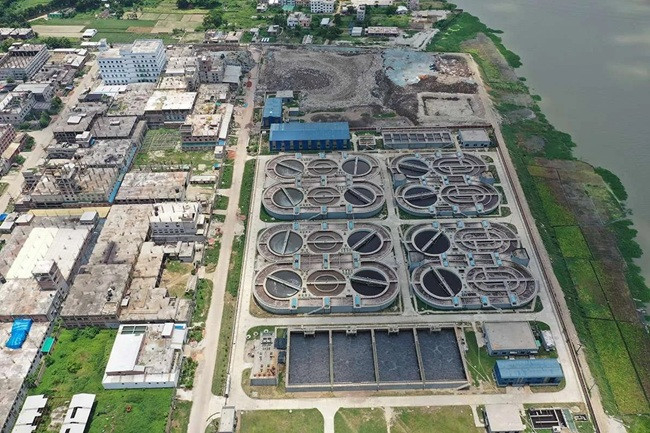
The government will provide technical and financial assistance to tanneries that have yet to begin production after relocating to the Savar Tannery Industrial Estate, while strictly enforcing environmental compliance across the leather sector, Commerce, Industries and Textiles and Jute Minister Khandaker Abdul Muktadir has said.
He said the government was giving top priority to improving waste management, ensuring environmental standards and obtaining international certifications to enhance the global competitiveness of Bangladesh’s leather industry.
“No tannery that fails to comply with environmental regulations will be allowed to operate,” he said.
The minister made the remarks while addressing the inaugural ceremony of the Bangladesh-Netherlands Sustainable Trade Forum 2026 and the Centre for the Promotion of Imports from Developing Countries (CBI) Home Textiles and Leather Programme at Sheraton Hotel in Dhaka on Wednesday.
The event was jointly organised by the Netherlands-based CBI and LightCastle Partners.
Muktadir said Bangladesh had significant export potential in leather and leather goods, noting that the country earned around $1.78 billion from leather and non-leather products combined last year.
He identified the European Union as a major potential market for Bangladeshi products and said neighbouring India had also emerged as an important buyer of the country’s leather goods.
He stressed the need to improve product quality, ensure environmental compliance and develop production systems in line with international market requirements to fully tap the export potential.
Referring to the prolonged relocation of tanneries from Hazaribagh to Hemayetpur in Savar, the minister said delays had hindered the development of the leather sector.
The government would now take effective measures to address the industry’s existing problems and help non-operational tanneries resume production, he added.
He said factories with floor space of 50,000 square feet or more would be required to install their own effluent treatment plants (ETPs). All tanneries in Savar would also have to obtain certification from the Leather Working Group (LWG).
The minister said there would be no compromise on environmental standards and regulatory compliance.
He also said the government was working to improve the capacity of the central effluent treatment plant (CETP) at the Savar estate and install an advanced chromium recovery unit to strengthen waste management.
Turning to the cottage, micro, small and medium enterprises (CMSMEs), Muktadir said the sector accounted for less than one-fourth of Bangladesh’s gross domestic product.
He stressed the need to increase its contribution to at least 60 percent to promote inclusive economic growth, create jobs and reduce income inequality.
Highlighting financing challenges faced by small entrepreneurs, he said complicated documentation and banking procedures often prevented promising businesses from accessing loans.
The government was planning to restructure the SME Foundation to make institutional support and financing more accessible to small and medium-sized entrepreneurs, he added.
Muktadir said the allocation for the SME loan refinancing programme had been increased to Tk 2,000 crore from Tk 300 crore since the government assumed office. The programme had a loan recovery rate of 98 percent, demonstrating the financial discipline of participating entrepreneurs, he added.
Emphasising stronger bilateral trade ties between Bangladesh and the Netherlands, the minister said cooperation in sustainable industrialisation, technology transfer, skills development and access to international markets could create new opportunities.
He said Dutch technological and institutional expertise could help improve the competitiveness of Bangladesh’s export-oriented home textile and leather sectors.
Dutch Ambassador to Bangladesh Joris van Bommel and CBI Managing Director Judith Arends also spoke at the event.
Representatives from the government and private sector, development partners, entrepreneurs and other stakeholders attended the programme, which discussed ways to expand sustainable trade and strengthen cooperation in the home textile and leather industries.