Play store

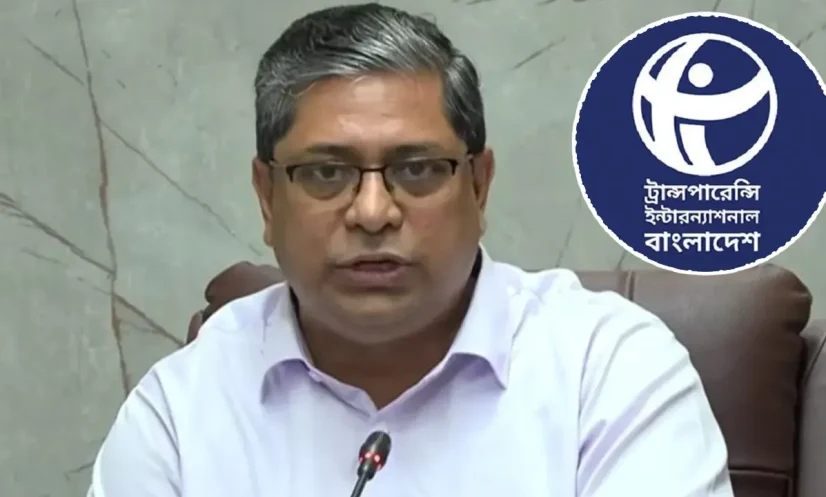
Transparency International Bangladesh (TIB) has strongly condemned remarks by the state minister for local government, rural development and cooperatives, saying they could legitimise bribery under the guise of gifts.
The anti-corruption watchdog questioned whether the minister was indirectly trying to legitimise bribery by encouraging public officials to accept personal benefits in the name of gifts for performing their official duties.
In a press release issued on Wednesday, TIB demanded that the minister immediately withdraw his remarks, clarify the government’s position and ensure accountability for both the minister and the senior secretary whose advice he reportedly cited.
On November 10, speaking at the inauguration of a training programme for newly appointed assistant engineers of the Local Government Engineering Department (LGED), the minister reportedly said that gifts given to engineers from contractors’ profits after ensuring work quality and promptly settling bills did not constitute bribes and could be accepted.
TIB Executive Director Dr Iftekharuzzaman said checking work quality, accepting completed projects and ensuring timely bill payments in accordance with regulations were routine responsibilities of government engineers, for which they were paid with public money.
He questioned why engineers should receive additional benefits from contractors for performing their official duties, warning that such remarks could encourage bribery at the field level and widen the scope of corruption in public procurement.
He also challenged the minister to publicly identify the laws or regulations that permitted officials to receive personal benefits from contractors as rewards for performing their regular duties.
Citing legal provisions, Iftekharuzzaman referred to Sections 161 and 165 of the Penal Code, which provide for punishment for public servants accepting illegal gratification or valuable items in connection with their official duties.
He also cited Rule 5(1) of the Government Servants (Conduct) Rules, 1979, which requires prior government approval for certain gifts that create official obligations towards donors. Rule 5(4) sets a Tk 500 value limit for gifts received by secretaries or officials of equivalent rank from specified sources.
Additionally, he referred to Schedule 20, Clause 6(2) of the Public Procurement Rules, 2025, which allows low-value promotional items, such as diaries, calendars and pens bearing an organisation’s logo, worth no more than Tk 5,000 each.
However, he said neither provision authorised engineers to accept personal gifts funded by contractors’ profits in exchange for performing official duties.
Highlighting the risk of conflicts of interest, the TIB chief said accepting personal benefits from contractors whose work engineers were responsible for supervising could compromise their impartiality and influence project inspections and bill certification.
He warned that such practices could encourage collusion between engineers and contractors, undermine equal opportunities for contractors and eventually normalise illegal payments as a condition for receiving public services.
Regarding the minister’s reference to advice from a senior secretary, Iftekharuzzaman said that, if accurately reported, such advice raised serious questions about the official’s professional integrity and ethical suitability to remain in office.
He also warned that the remarks contradicted the government’s election manifesto and could prove damaging to both the government and the ruling party.
Referring to an earlier controversy over remarks by the road transport and bridges minister describing extortion as a transaction based on mutual understanding, the TIB executive director urged the government to recognise the dangers of corruption-friendly positions taken by senior officials.
TIB called on the state minister to publicly apologise and unconditionally withdraw his remarks. It also demanded a formal explanation from the minister, verification of the senior secretary’s alleged advice and appropriate legal action if the allegations were substantiated.