Play store

es
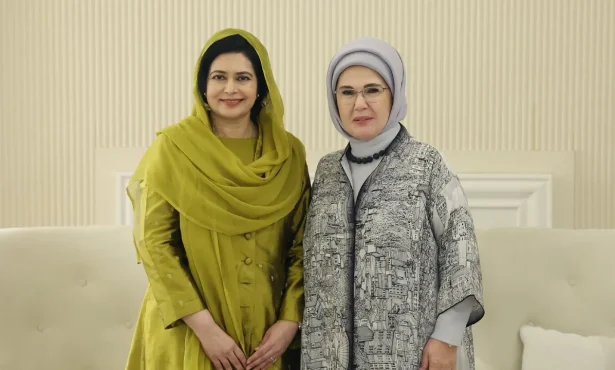
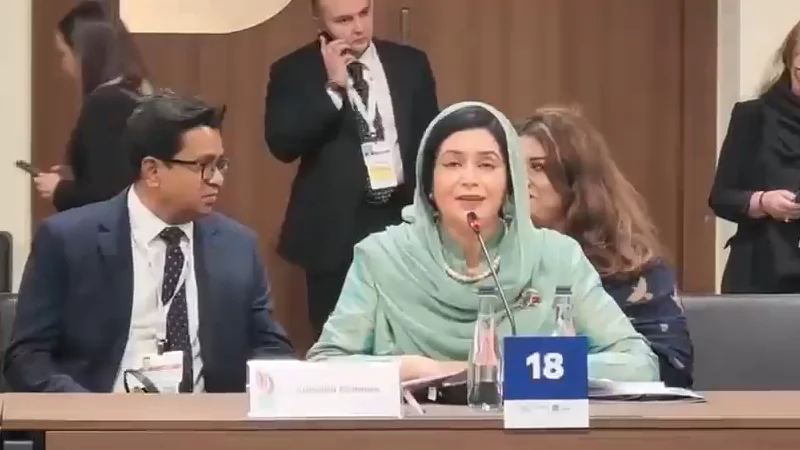
ANTALYA, Nov 11: Dr Zubaida Rahman, wife of Prime Minister Tarique Rahman, has called for stronger global cooperation to transform waste into valuable resources, clean energy and opportunities for economic growth.
“Waste should not be allowed to go to waste without being put to any use. Rather, it must be transformed into resources, sources of energy and opportunities for economic growth,” she said.
She made the remarks at a high-level meeting of spouses of heads of state and government on the sidelines of the 31st United Nations Climate Change Conference (COP31) in Antalya, Türkiye, on Wednesday.
Expressing gratitude to Turkish First Lady Emine Erdogan for hosting the meeting, Zubaida said her leadership in advancing the zero-waste agenda was inspiring.
She said Bangladesh strongly welcomed and supported the Global Zero Waste Alliance, noting that its objectives were aligned with the government’s vision of building a clean environment, a healthy population and a sustainable future.
Zubaida said the government was encouraging waste reduction, reuse and recycling, commonly known as the 3Rs, while strengthening waste segregation and safe disposal systems under the Solid Waste Management Rules.
Under Bangladesh’s Third Nationally Determined Contribution (NDC 3.0), the country has set a target of reducing greenhouse gas emissions from the waste sector by 1.78 million tonnes of carbon dioxide equivalent by 2035, she said.
Highlighting government initiatives, she said priority was being given to recycling, composting, landfill gas recovery, waste-to-energy generation, wastewater treatment and the safe management of medical and healthcare waste.
She also highlighted a large-scale waste-to-energy project in Dhaka, which is designed to process 3,000 tonnes of household waste daily and generate 42.5 megawatts of electricity. Similar projects are planned for other major cities.
The government also aims to reduce plastic pollution through the cleaning of lakes, canals, ponds and other water bodies, she said.
Emphasising the use of environmentally friendly alternatives to plastic, Zubaida described jute as a natural alternative and said efforts were underway to expand the use of jute-based products.
She also invited conference delegates to visit the Bangladesh Jute Pavilion in the Green Zone of the conference venue.
On methane emissions, she said Bangladesh, as a signatory to the Global Methane Pledge, was committed to reducing emissions through climate-friendly agriculture, improved rice cultivation practices and initiatives to produce organic fertiliser and clean energy from organic waste.
Stressing the importance of international cooperation, Zubaida said building a zero-waste world could not be achieved through individual efforts alone.
Affordable climate finance, technology transfer and capacity building were essential, alongside stronger private-sector participation and adequate protection for informal waste management workers, she added.
She also called for greater youth participation in environmental protection, saying awareness should begin at home, in educational institutions and in society.
“Young people were not only the leaders of tomorrow but also important partners in addressing today’s challenges,” she said.
Zubaida reaffirmed Bangladesh’s readiness to strengthen global cooperation and turn collective commitments into concrete action.