Play store

At least 17 Rohingya refugees have been killed and more than 3,000 displaced by a series of landslides in Bangladesh’s refugee camps this July, highlighting the growing risks faced by one of the world’s most vulnerable populations, Human Rights Watch (HRW) said on Monday.
“Every monsoon is becoming increasingly deadly for Rohingya refugees,” said Meenakshi Ganguly, deputy Asia director at HRW, pointing to unstable, deforested hills and dwindling funding for camp protection. “These are not simply natural disasters, but the predictable result of policies that leave refugees exposed.”
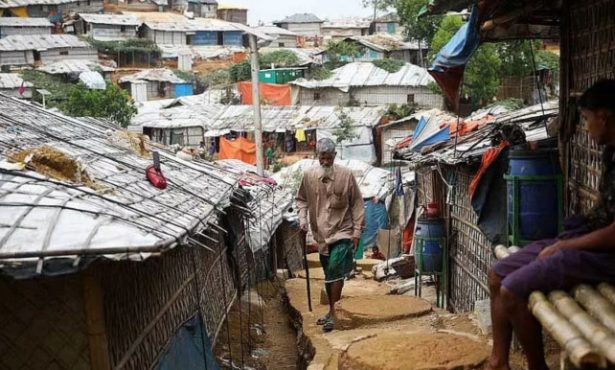
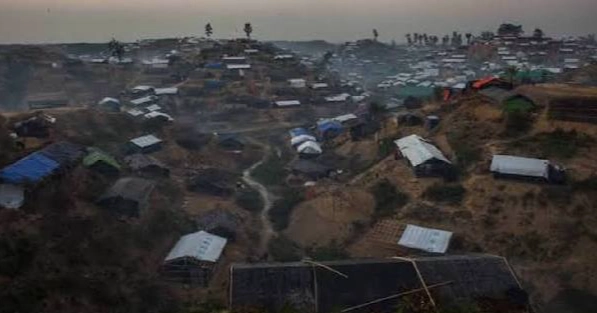
Bangladesh hosts more than one million Rohingya refugees, most of whom live in densely packed shelters made of bamboo and tarpaulin on steep, cutting hill slopes highly prone to landslides during the monsoon.
According to the Rohingya Coordination Platform, between July 4 and July 9, at least 286 weather-related incidents were recorded across camps in Cox’s Bazar, affecting over 26,000 refugees. These included 95 landslides that displaced more than 4,300 people, damaged nearly 2,800 shelters, and destroyed at least 13.
Critical infrastructure—such as learning centres, sanitation facilities, retaining walls, and access roads—has also been badly damaged, further complicating emergency response efforts.
Aid agencies and UNHCR have repeatedly warned that overcrowding, inadequate drainage systems, and fragile shelter structures are amplifying disaster risks.
While authorities have relocated more than 1,000 people from high-risk zones, many refugees remain unwilling to leave due to fears of losing what little shelter they have.
Human Rights Watch, citing interviews with affected refugees and aid workers, said poor initial planning of the camps has worsened the crisis.
A sanitation engineer noted that hills were cut to build shelters without proper drainage, and funding cuts have since stalled durable solutions such as slope reinforcement.
New arrivals are particularly vulnerable. With limited space and no formal shelter allocation, many are forced to settle in unsafe areas. One refugee, who arrived in 2024, lost two daughters and two grandchildren when their makeshift home collapsed during a landslide.
Since renewed conflict in Myanmar in late 2023, more than 152,000 Rohingya have fled to Bangladesh—far exceeding initial planning estimates.
However, the government has yet to approve additional land for new settlements, further intensifying overcrowding in the existing 24-square-kilometre camp area.
Although Bangladesh approved stronger temporary shelters and semi-permanent housing models in late 2024, implementation has stalled due to funding shortages and concerns over permanent settlement on protected forest land.
Human Rights Watch and aid groups urged donors to urgently restore funding for slope stabilization, drainage, and safer shelters, warning that current resources are insufficient.
The Shelter and Camp Management response is only 42 percent funded, with tens of millions of dollars still needed.
“Rohingya refugees don’t need more concern—they need immediate, effective action,” Ganguly said. “Governments must act now, before the next landslide claims more lives.”