Play store

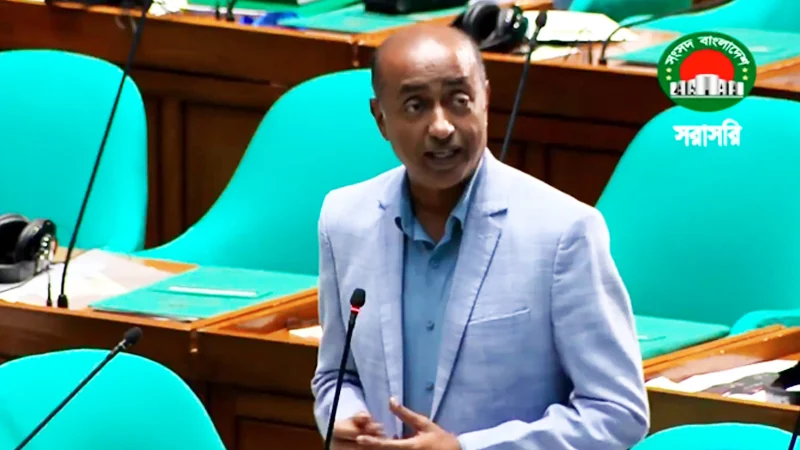
BNP lawmaker Tahsina Rushdi Luna has questioned why former Major General Ziaul Ahsan, who is facing trial for crimes against humanity, was taken to court without handcuffs, prompting Law Minister Md Asaduzzaman to assure Parliament that such an incident would not happen again.
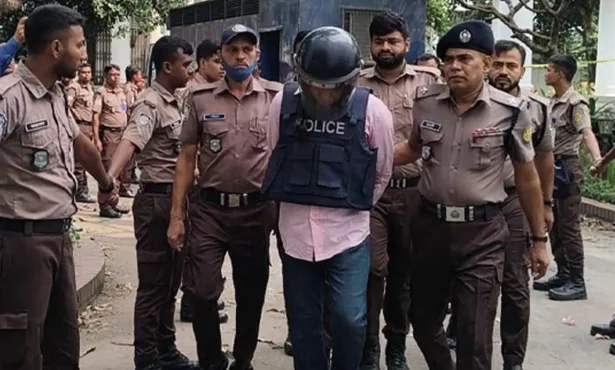
Raising the issue under a point of order in Parliament on Sunday, Luna expressed concern over the manner in which Ziaul was escorted to the International Crimes Tribunal last Thursday.
She said his gestures and behaviour at the court premises gave the impression that he was on a pleasure trip, while police personnel appeared to be providing him with special protocol.
Luna, wife of BNP leader M Ilias Ali, who went missing in 2012, said she was deeply hurt by the fact that Ziaul had been taken to court without handcuffs or leg irons.
She added that families of victims of enforced disappearances and killings were deeply concerned by the incident.
She questioned whether the government was showing him special leniency or failing to maintain proper control over him.
Responding to her remarks, Law Minister Md Asaduzzaman said the matter had also come to his attention. Although the transportation of accused persons to court did not fall directly under his jurisdiction, he assured the House that such an incident would not be repeated.
He said Ziaul would no longer be given such an opportunity and that he would be escorted to court in the manner required for a notorious criminal.
The minister also stressed that the government was committed to ensuring justice without compromising the fairness of the trial.
He said all available evidence against the accused in cases before the International Crimes Tribunal would be presented in court.
Asaduzzaman further pledged justice for victims of enforced disappearances, killings and politically motivated cases over the past 16–17 years, as well as those killed or injured during the July uprising.
He added that investigation teams led by the tribunal’s chief investigator would visit different districts outside Dhaka to investigate alleged crimes against humanity and identify the officials, law enforcement personnel and political activists who may have assisted or facilitated such crimes.