Play store

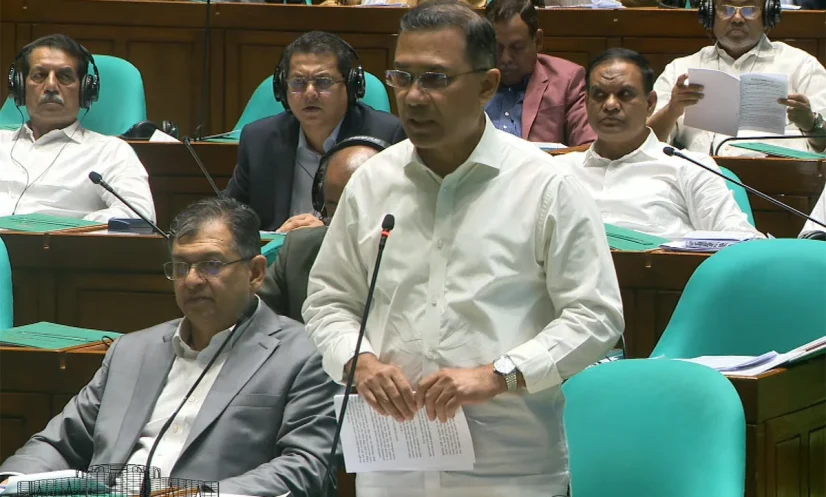
Bangladesh’s foreign exchange reserves have increased to around US$36.35 billion, up from $25.90 billion on August 8, 2024, as the government has taken a range of policy measures to boost remittance inflows through formal channels, Prime Minister Tarique Rahman told parliament on Wednesday.
He made the disclosure while responding to a supplementary question during the question-and-answer session of the fourth session of the 13th Parliament.
The prime minister said the government had undertaken various policy reforms and initiatives to increase the flow of remittances sent by expatriate Bangladeshis through legal channels and strengthen the country’s foreign exchange reserves.
Measures have been taken to prevent hundi, simplify transactions and ensure faster delivery of remitted funds to beneficiaries, he added.
Tarique said remittances sent by Bangladeshis working abroad were one of the country’s major sources of foreign exchange earnings.
He recalled that the initiative to send Bangladeshi workers abroad had been taken by Shaheed President Ziaur Rahman, laying the foundation for overseas employment to become an important source of foreign currency for the country.
Explaining the government’s initiatives, Tarique said the process of establishing drawing arrangements involving scheduled banks, foreign exchange houses and money transfer operators had been simplified.
This has made it easier to establish new remittance corridors and expand connections with overseas money transfer services, he said.
As a result, expatriate Bangladeshis now have more options for sending money home, while increased competition among service providers has helped reduce transfer costs.
The government has also continued providing cash incentives against remittances sent through formal banking channels to encourage expatriates to avoid informal transfer systems, particularly hundi, the prime minister said.
He added that Bangladesh Bank had issued a circular allowing remittances to be transferred directly through exchange houses into recipients’ foreign currency accounts to facilitate low-cost transactions.
The measure is expected to provide greater convenience to expatriates and their families while encouraging the use of official channels for transferring foreign currency.
The prime minister further said the government was pursuing innovative initiatives involving new ideas, technologies and delivery mechanisms to increase remittance inflows and ensure their uninterrupted flow into the country.
Remittances remain a major source of foreign exchange for Bangladesh, helping support the balance of payments, strengthen foreign exchange reserves and meet the country’s external payment obligations.
The government is therefore seeking to make formal remittance channels more accessible, affordable and competitive to encourage overseas Bangladeshis to send their earnings through the official financial system.