Play store

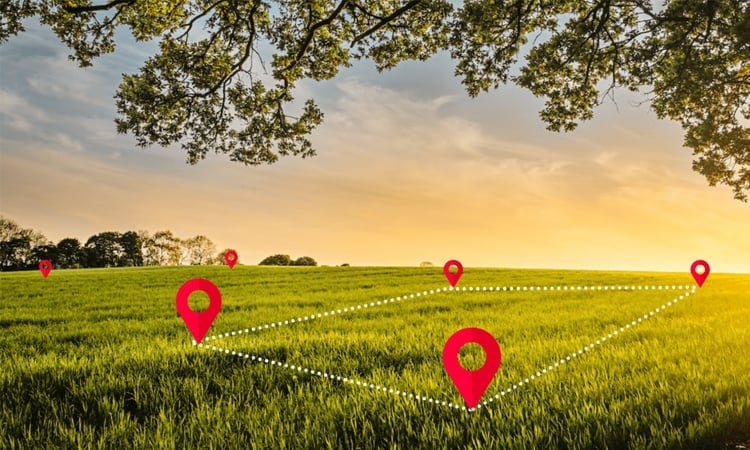
The Ministry of Land and the United Nations Development Programme (UNDP) have signed an agreement to digitise around 85.2 million land records in 61 districts, aiming to modernise the country’s land management system and make land services more transparent and accessible.
The initiative will be funded entirely by the Bangladesh government.
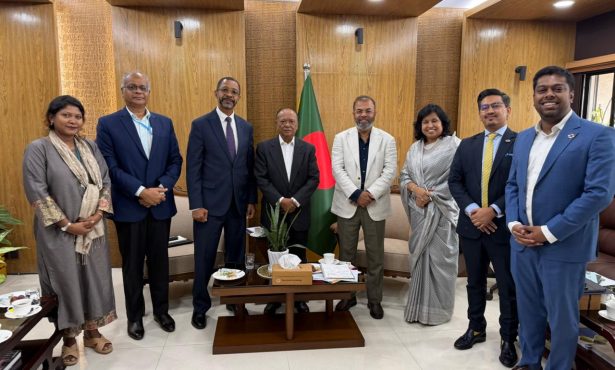
The partnership agreement was signed between the Ministry of Land’s Land Management Automation Project and UNDP at Hotel InterContinental in Dhaka on Monday night.
Project Director (Joint Secretary) of the Land Management Automation Project Md Parvez Hasan BPA signed the agreement on behalf of the ministry, while UNDP Bangladesh Resident Representative Steven Rodriques signed for the UN agency.
The initiative aims to ensure the accuracy of land-related information, simplify access to services, reduce administrative delays and strengthen protection of citizens’ land ownership and rights.
Under the project, records of land holdings and khatians (land ownership records) will be integrated into a secure digital platform. Citizens will be able to verify land information online, pay land development taxes and apply for e-mutation services without visiting land offices, according to the agreement.
Speaking at the signing ceremony as the chief guest, Land Minister Md Mizanur Rahman Minu said the country’s land management system had long been plagued by irregularities, land grabbing and the dominance of brokers and intermediaries, often leaving ordinary people vulnerable to harassment and disputes.
He expressed hope that the agreement with UNDP would play a transformative role in establishing a modern, transparent and citizen-friendly land management system.
Accurate and reliable digital records are the foundation of sustainable land services, he said, adding that the partnership would help resolve land disputes, prevent corruption and ensure hassle-free services for citizens.
Land State Minister Barrister Mir Mohammad Helal Uddin, MP, said Prime Minister Tarique Rahman was committed to establishing an equitable, justice-based and orderly land management system.
He said the prime minister believed that proper land management could help resolve around 80 per cent of litigation in the country.
Emphasising the importance of verified and accurate information, the state minister said the field administration, the ministry and UNDP would need to work together to ensure that women, elderly people and marginalised communities benefited from the initiative.
Acting Secretary of the Ministry of Land Md Emdadul Haque Chowdhury said a modern and sustainable land service system was impossible without an accurate digital database.
Reliable land records would reduce public harassment and land-related disputes while ensuring greater transparency in government revenue collection, he added.
UNDP Bangladesh Resident Representative Steven Rodriques said the success of the initiative would not be measured solely by the number of records digitised but also by the level of public confidence in the accuracy of those records.
He reaffirmed UNDP’s commitment to supporting the government with technical expertise and quality standards to protect land rights and ensure that no one was left behind.
Project Director Parvez Hasan delivered the welcome address, while UNDP Bangladesh Senior National Consultant Md Atikul Haque presented the project’s implementation plan.
The initiative builds on an earlier partnership between the Ministry of Land and UNDP. Following pre-pilot activities in 2025, the programme was implemented in eight pilot districts and subsequently in Dhaka, Narayanganj and Gazipur.
So far, around 13.3 million holding and khatian records have been digitised through 334 union land offices in 11 districts.
Under the new agreement, multiple layers of data verification, intensive field-level monitoring and modern technology will be used to identify and correct inconsistencies in existing records and prevent forgery.
The initiative is expected to make land services more accessible and secure, particularly for women, elderly people, persons with disabilities, expatriate Bangladeshis and marginalised communities.