Play store

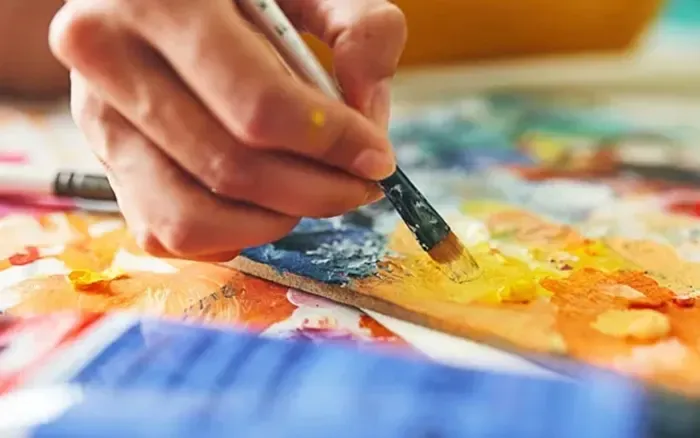
Many artists are leaving Facebook and Instagram amid growing concerns that artificial intelligence (AI) could steal, copy and commercially exploit their creative works without permission, threatening their livelihoods and intellectual property rights.
The growing trend has raised questions about how social media platforms use artists’ photographs, illustrations and other creative content to train generative AI models.
British watercolour artist Matty Burnham is among those affected. In 2024, he discovered a Pinterest account featuring AI-generated versions of his original paintings.
The images were also being offered for sale through fake profiles on Shopify, Facebook and Instagram.
Although Burnham traced the Pinterest account to Ho Chi Minh City in Vietnam, he could not identify those behind it.
He said fake AI-generated art profiles were making money through Facebook, attracting hundreds of thousands of followers who often mistake them for genuine artists.
These accounts subsequently direct users to websites containing online shops and advertisements.
The concerns have prompted several independent artists to reduce their presence on Meta-owned platforms, with some considering leaving Facebook and Instagram altogether. Others have stopped posting or are moving to alternative creator platforms such as Patreon and Substack.
Concerns over Meta’s policies
Artists’ concerns have intensified over proposed changes to Meta’s terms of service, which could allow automated software to collect large amounts of information from external websites without permission from business account owners.
Artists fear their portfolios, photographs, illustrations and other creative materials could be collected and used to train AI models without their knowledge or consent.
The proposed changes were initially scheduled to take effect on October 30 before being postponed to November 20.
However, Meta announced on November 5 that the changes had been delayed indefinitely following discussions with stakeholders.
A Meta spokesperson said the company had paused the changes to allow more time to engage with stakeholders and ensure the issue was addressed properly.
The existing terms of service would remain in effect during the pause.
Despite the postponement, the proposed changes have already prompted artists to reconsider their presence on the platforms.
Samantha Waldron, co-owner of Dutcher Photography in Madison, Wisconsin, said she deleted her personal and business Facebook pages earlier this month.
She also converted her Instagram business accounts into personal accounts, removed most of her posts and deleted external website links from her profiles.
She described the proposed changes as the final straw after a prolonged period of frustration, adding that she felt relieved to be free from the pressure of maintaining an active social media presence.
Artists demand protection
Tim O’Brien, a board member of the Society of Illustrators, said artists deserved meaningful consent, fair compensation and accessible ways to challenge the unauthorised use of their work.
He stressed that the issue was not merely a legal dispute but also involved livelihoods, creative ownership and basic fairness.
Meanwhile, some artists organised a campaign called the ‘Meta Blackout’, refraining from posting or sharing content on Facebook and Instagram between October 30 and November 6 in protest against the proposed policy changes.
Megan Wimberley, founder of Cowgirl Artists of America, said she was in the process of deleting all her Meta accounts, describing the proposed changes as a serious breach of trust.
She also warned that ordinary users should be concerned about sharing personal photographs, videos and audio content online because of the potential risks of AI data collection.
However, experts say protecting artists’ rights and embracing AI technology do not necessarily have to be conflicting goals.
Artists can register copyrights, report intellectual property violations and request the removal of unauthorised copies.
Meta has also said creators can report AI impersonation and request content removal through its Intellectual Property Reporting Centre.
Google has meanwhile introduced a free online tool called SynthID Detector to help identify whether images, videos and audio files were generated using AI technologies supported by its system.
Despite these initiatives, many artists remain sceptical about whether existing safeguards are sufficient to protect their creative work.
The debate highlights growing tensions between technological advancement and the rights of creative professionals, particularly as generative AI continues to reshape the global creative industry.