Play store

A country’s transport infrastructure cannot be measured solely by wide highways, modern vehicles or high-speed trains. The quality of passenger services, cleanliness, safety, terminal facilities and connectivity between different modes of transport are equally important indicators of infrastructure development.
A recent road journey across Turkey offered an opportunity to experience how these aspects can be integrated into a well-planned transport system. The country’s intercity bus terminals, with their modern architecture, cleanliness, organised facilities and passenger-friendly services, were particularly impressive.
The journey covered around 800 kilometres from Istanbul to Antalya, followed by approximately 550 kilometres to the capital Ankara. From there, the journey continued for another 450 kilometres to Bursa before returning to Istanbul after travelling around 200 kilometres.
During these long journeys, several bus terminals in different cities were visited. What stood out was the consistent attention to cleanliness, infrastructure planning and passenger comfort across the terminals.
Cleanliness and modern architecture
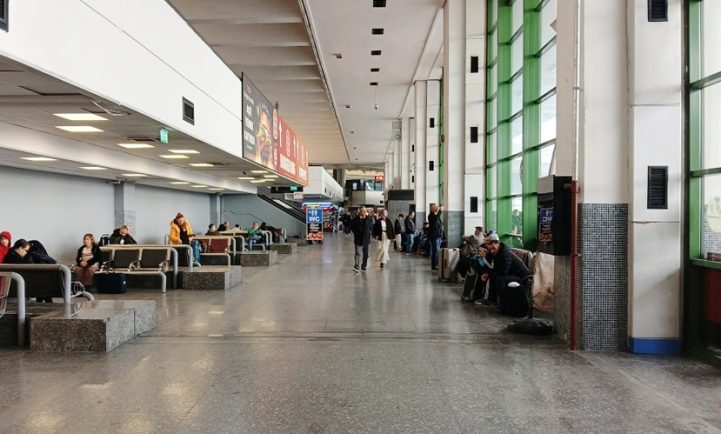
The first thing noticeable upon entering a Turkish bus terminal is its clean, tiled floors and well-maintained surroundings. Despite their enormous size, the terminals appeared remarkably tidy, with no visible accumulation of rubbish.
Passenger walkways, waiting areas, food outlets and boarding platforms were all maintained with considerable care.
The interior designs also reflect modern architectural planning. Spacious corridors, adequate lighting and ventilation, well-organised entry and exit points, and carefully designed passenger movement areas make the terminals visually appealing and convenient.
There was little sign of unnecessary congestion or disorder.
Another striking feature was the systematic arrangement of ticket counters. They were lined up neatly, allowing passengers to approach their respective operators, purchase tickets and proceed to their buses without unnecessary hassle.
Many passengers also used online ticketing facilities and boarded directly without visiting the counters. The overall process appeared organised, with little opportunity for passenger harassment.
Clean toilets with water and tissue facilities
Toilet facilities are among the biggest sources of inconvenience for passengers at many bus terminals in Bangladesh. Poor hygiene, unpleasant smells, water shortages and the absence of basic necessities often make using public toilets an unpleasant experience.
The situation in Turkish terminals was noticeably different.
Clean toilets were available at every terminal visited. There was no noticeable accumulation of waste or unpleasant smell, while water and tissue paper were readily available.
Passengers were charged around 15 to 20 Turkish liras (approximately Tk 40-50) for using the facilities. In return, they received access to clean and properly maintained toilets.
The arrangement demonstrated how charging a reasonable service fee, combined with regular maintenance and supervision, can help ensure usable public facilities.
Spacious waiting areas for passengers
Waiting facilities are particularly important for long-distance travellers, who often arrive at terminals well before their scheduled departure times.
Turkish bus terminals provide ample seating, spacious waiting areas and air-conditioned lounges. Passengers can sit comfortably and rest before beginning their journeys.
The facilities also offer a relatively comfortable environment for women, children, elderly passengers and families travelling together.
Information about destinations, departure times and boarding platforms is displayed inside the terminals. Electronic and other signboards help passengers identify where their buses will arrive and depart.
Each bus is assigned a specific platform number, which is also mentioned on the ticket. This reduces unnecessary movement and confusion among passengers.
Orderly bus parking and boarding arrangements
Bus parking and passenger boarding are among the most important aspects of terminal management.
In Turkey, buses have designated parking spaces and platforms. Each vehicle arrives at its assigned location, where passengers board and disembark.
Entry and exit routes are also carefully planned to minimise conflicts between buses, private vehicles and pedestrians.
Adequate space is available for passengers to handle their luggage while getting on and off buses. The systematic arrangement helps prevent unnecessary congestion inside the terminals.
Bus movement, parking and passenger circulation are managed within a clearly defined structure.
Restaurants, cafes and shopping facilities under one roof
Turkish bus terminals are more than just transportation hubs. They also function as small commercial centres, with well-maintained restaurants, cafes and rows of shops.
Passengers can have meals, drink tea or coffee, purchase essential items or simply spend time shopping while waiting for their buses.
The outlets are arranged in designated spaces rather than being scattered around randomly. Their cleanliness and presentation are impressive, with some restaurants and food outlets resembling those found in shopping mall food courts.
These facilities are particularly useful for long-distance travellers who may have to wait several hours before departure.
Having access to food, drinks, shopping and resting facilities in one place makes the overall travel experience more comfortable.
Located outside city centres but well connected
Another important feature of Turkish bus terminals is their location.
Intercity terminals in major cities are generally situated some distance from the city centres. This helps reduce the pressure of long-distance buses entering crowded urban areas.
However, their distance from central locations does not create connectivity problems for passengers.
The terminals are integrated with urban public transport networks, including metro rail, trams and city buses. Passengers can easily reach the terminals from different parts of a city using public transport.
Similarly, those arriving by intercity buses can use these services to reach their final destinations.
The connection between bus terminals and metro and other public transport services is particularly important in a large city like Istanbul.
It reduces dependence on private cars and taxis, allowing ordinary passengers to travel between terminals and different parts of the city at relatively low costs.
This integration is an important feature of Turkey’s transport planning: terminals may be located outside busy city centres, but they are not disconnected from the urban transport network.
What Bangladesh can learn
The experience of visiting bus terminals in several Turkish cities inevitably brings Bangladesh’s transport infrastructure to mind.
Passengers at major terminals in Dhaka, Chattogram and other cities continue to face various difficulties. Inadequate waiting facilities, unhygienic toilets, disorganised bus parking and questions about the quality of food outlets and other passenger services remain common concerns.
Many of these problems could be addressed through proper planning and effective management.
Alongside building modern terminals, Bangladesh needs to ensure regular cleaning, hygienic toilets, adequate seating, air-conditioned waiting rooms, designated bus parking areas and quality food facilities.
Better integration of intercity bus terminals with metro rail, railway stations and urban public transport networks would also reduce passenger inconvenience.
The most important lesson from Turkey is that transport development is not simply about taking people from one place to another. It is also about making the entire journey safe, convenient and comfortable.
Travelling long distances through Istanbul, Antalya, Ankara and Bursa and visiting their bus terminals provided a memorable experience.
Their cleanliness, organised management, passenger facilities and integration with public transport offer useful examples of how modern transport infrastructure can improve everyday life.
These terminals are not merely departure and arrival points for long-distance buses. They also demonstrate how well-planned infrastructure and quality public services can work together to create a more passenger-friendly transport system.