


 Play store

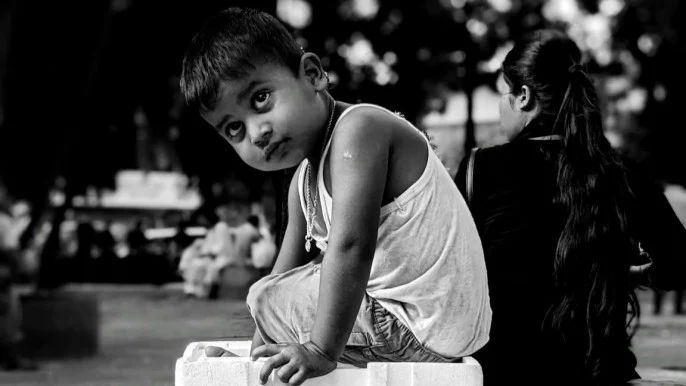
The government is set to launch a Tk420 crore project to rehabilitate street children and those at risk across the country, aiming to reintegrate thousands into families and mainstream society by 2031.
Titled “Rehabilitation Project with Residential Facilities for Street Children and Children at Risk,” the initiative will be implemented by the Ministry of Women and Children Affairs in collaboration with the Bangladesh Shishu Academy.
The project proposal was sent to the Planning Commission on 6 July and, if approved, will run until June 2031.
According to the proposal, the project will combine shelter, education, vocational training and social protection to address the root causes of child homelessness.
The programme aims to reunite 6,600 children with their families, provide residential shelter to 1,900, and bring 4,500 under formal and non-formal education.
Around 5,500 vulnerable children or their families will receive stipends to support continued education, while 5,700 children will receive livelihood support after completing vocational training.
Children in shelters will receive market-oriented technical training, and those with entrepreneurial potential will be given one-time grants or equipment.
The project will also facilitate employment in domestic industries and, for eligible adults, overseas job opportunities with migration support.
The initiative will be implemented in 31 districts, covering 34 upazilas, 12 city corporations and eight municipalities, prioritising areas with high concentrations of street children.
In total, 19 shelter homes, three transit homes and 150 open schools will be established, offering accommodation, education, healthcare and counselling services.
Authorities will also conduct a nationwide baseline survey, create a biometric database and ensure birth registration for all children under the programme.
Beneficiaries will receive regular healthcare, mental health support and addiction treatment where necessary. Awareness campaigns will be carried out nationwide, including in 125 unions.
Officials say poverty, natural disasters, family conflict and migration to urban centres are key drivers of child homelessness. Many children end up working in informal sectors or living on the streets.
The project is expected to directly benefit 24,850 children and indirectly reach nearly 500,000 people.
Data from the Bangladesh Bureau of Statistics shows that most street children still maintain family ties, with over 90% expressing a desire to return home—highlighting the importance of family reintegration as a core focus of the initiative.