


 Play store

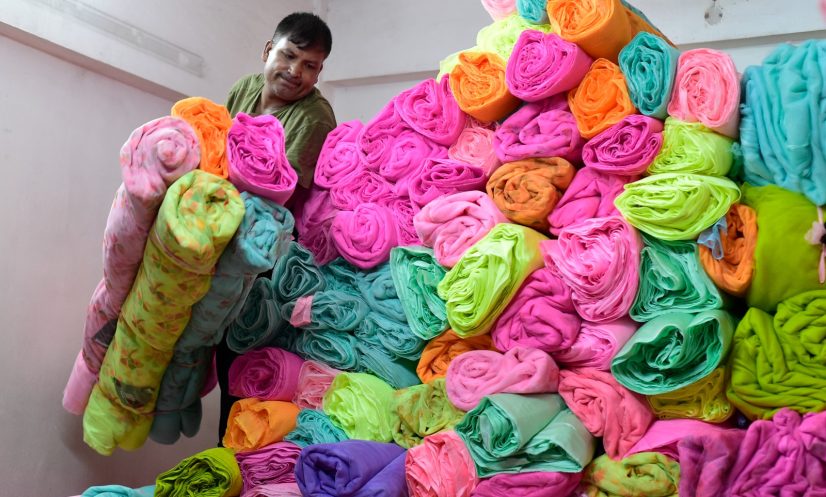
As Dhaka and the rest of Bangladesh grapple with a surge in mosquito-borne diseases, the humble mosquito net is once again becoming a household essential.
With intermittent rain, high humidity and warm temperatures creating ideal breeding conditions for the Aedes mosquito, dengue cases are rising fast across the country. According to the Directorate General of Health Services (DGHS), as of September 12, 2026, more than 48,430 people have been hospitalized and 139 have died this year. August alone saw 11,712 cases — 27 per cent higher than July. Health experts warn that September and October are the peak risk months, and the outbreak has now spread to all 64 districts, with Barishal, Chattogram and Khulna reporting the highest numbers outside Dhaka.
This surge has triggered a nationwide rush for protection, and at the center of this demand is *Bhulta-Gausia Mosharipolli in Rupganj, Narayanganj*.
Known as the country’s largest wholesale mosquito net market, Bhulta-Gausia is not just a market — it’s a village industry. Hundreds of workshops here produce mosquito nets with aesthetic weaving, embroidery and decorative designs. From simple daily-use nets to designer, lace-work and embroidered nets for bridal use, artisans create dozens of varieties.
Every day, hundreds of shops from this wholesale hub supply mosquito nets across the country — from Dhaka’s New Market to remote village bazaars in Rangpur and Barishal.
Why nets are more important than ever:
Dengue is spread by the Aedes aegypti mosquito, which bites during the day. Doctors say no single measure works:
1. *Use nets properly:* Even during daytime naps, especially for children and dengue patients. DGHS has now instructed hospitals to ensure dengue patients sleep under mosquito nets to prevent further transmission.
2. *Destroy breeding sources:* Aedes breeds in clean stagnant water — in flower tubs, buckets, discarded tires, and rooftop containers. Cleaning once a week is crucial.
3. *Government Drive:* Prime Minister Tarique Rahman has launched a 3-month nationwide *”Dengue Prevention and Cleanliness Campaign 2026″* from September 12 to December 12, involving 11 city corporations, all municipalities and volunteers from BNCC, Scouts and Red Crescent.
Entomologists say fogging alone will not work. The real solution is community participation to find and eliminate breeding sites, combined with personal protection like the beautifully crafted nets coming from Rupganj.
In a way, the looms of Bhulta-Gausia are weaving not just nets, but a layer of safety for the nation.