


 Play store

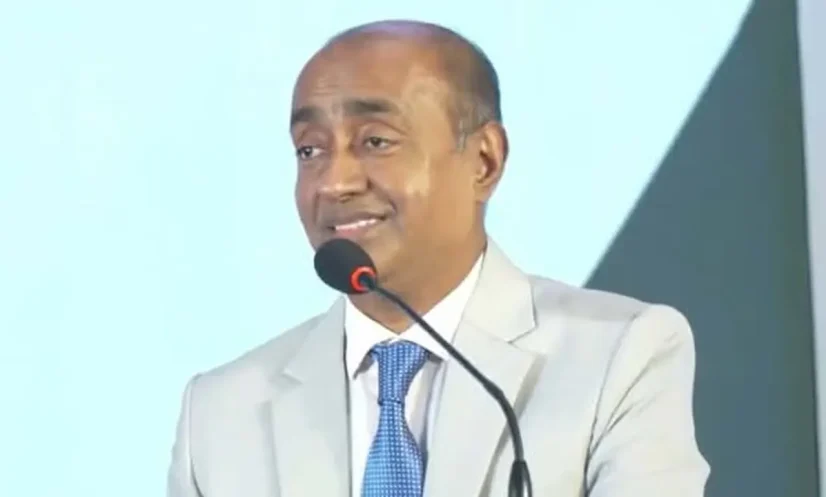
The government is planning to establish specialised courts at divisional headquarters to protect expatriate Bangladeshis’ assets and rights and ensure speedy resolution of their legal disputes in the country.
The proposed courts would handle various cases involving expatriates, including disputes over money and property. A draft proposal is being prepared, and the government is considering placing it before Parliament in a future session after public consultations.
Law Minister Md Asaduzzaman disclosed the plan at the Sonar Manush Sammilon-2026 at Hotel InterContinental in Dhaka on Tuesday.
Highlighting the government’s initiatives to ensure legal assistance for expatriates, he also stressed the need to take action against unscrupulous businesses and irregularities in the recruitment process.
The minister said labour migration was one of the key drivers of Bangladesh’s economy, but Bangladeshi workers often received lower wages than workers from other countries despite performing similar jobs. He attributed the disparity partly to the activities of unscrupulous businesses and called for stronger efforts to ensure fair wages.
Describing the hardships faced by migrant workers, Asaduzzaman said many had to wait in long queues to use bathrooms in shared accommodation, leave for work hours in advance and return home as late as 8pm or 9pm. They then had to prepare meals and contact their families, leaving them with little time to rest.
He said the wage gap needed to be addressed to ensure workers received fair compensation for their labour.
The minister also raised concerns over visa cancellations and recruitment irregularities in the United Arab Emirates.
He said around 5,000 visas had already been cancelled, while some others were awaiting renewal. Documents submitted through certain recruiting agencies had been found to contain inconsistencies, including certificates from non-existent companies, he added.
Authorities are using artificial intelligence (AI) to verify the authenticity of the documents and taking legal action against those involved, he said, urging stakeholders to speak out against such irregularities.
As part of efforts to improve access to justice, the Law Ministry has introduced a programme providing round-the-clock legal assistance through the National Legal Aid Services Directorate to expatriate Bangladeshis and their children who face legal problems in the country.
The initiative includes preliminary legal advice and mediation to resolve disputes, with the aim of reducing harassment and delays.
Explaining the need for specialised courts, Asaduzzaman said expatriates often faced prolonged legal battles over money lent to family members or disputes involving their property after returning home or while living abroad.
Many had to pursue cases for years through lawyers from overseas and sometimes died before seeing the disputes resolved, leaving their heirs to continue the proceedings, he said.
Unlike domestic workers, who can seek remedies through labour courts under existing labour laws, expatriates need a dedicated mechanism to resolve disputes involving their assets and other legal matters in Bangladesh, the minister added.
He said the government was working on a draft proposal and wanted to complete consultations with relevant stakeholders soon. If the proposal could not be presented during the current parliamentary session, the government was considering placing it before the next session.
He also sought cooperation from the Refugee and Migratory Movements Research Unit (RMMRU), which works to protect migrant workers’ rights.
Praising RMMRU’s work over the past 30 years, the minister said the organisation had contributed to protecting workers’ interests and rights. He expressed the government’s commitment to supporting initiatives aimed at improving workers’ welfare and shaping relevant policies.
Asaduzzaman expressed hope that future generations would build on the organisation’s three decades of experience and that Bangladesh would eventually create enough domestic employment opportunities for its workers to return home. He also envisioned a future in which the country would have the capacity to recruit workers from abroad.