Play store

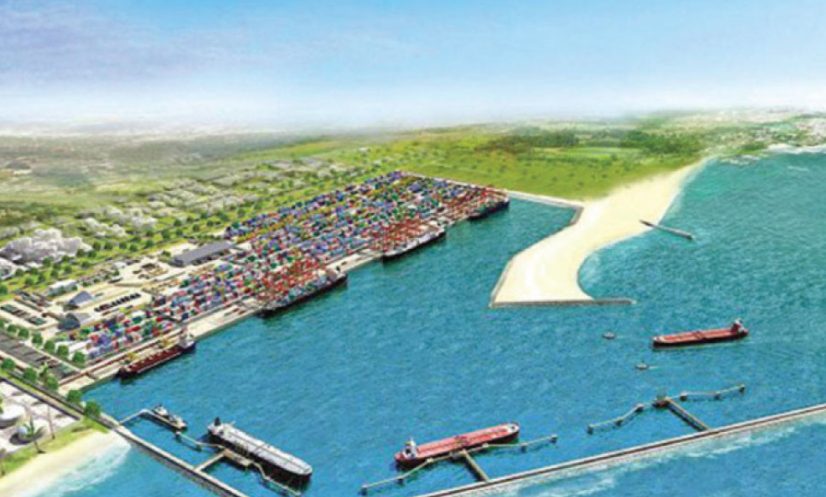
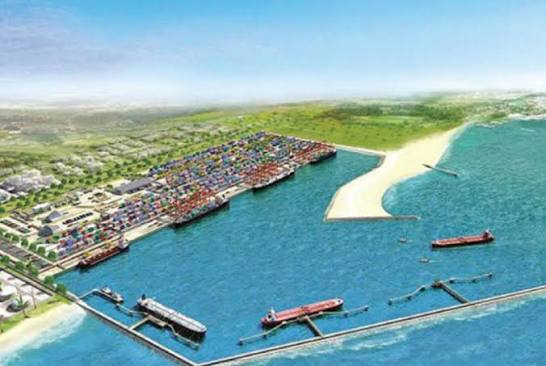
The Matarbari Deep-Sea Port in Cox’s Bazar is expected to become operational by 2029, enabling Bangladesh to receive large container and cargo vessels directly for the first time, Shipping Minister Shaikh Rabiul Alam told parliament on Monday.
Replying to a written question from MP Md Nurul Islam (Chapainawabganj-3), the minister said the port will be able to accommodate container ships of up to 8,200 TEUs and cargo vessels of around 100,000 deadweight tonnes (DWT), nearly four times the capacity of vessels currently handled at Chattogram Port.
He said Bangladesh’s existing seaports lack sufficient draft to receive large mother vessels, forcing importers to rely on transshipment hubs such as Singapore, Colombo and Malaysian ports. As a result, cargo must be transferred to smaller feeder vessels before reaching Bangladesh, increasing both transport costs and delivery times.
The minister said the Matarbari project includes the construction of a 16-metre-deep navigation channel and a modern container terminal. Once operational, the port will significantly reduce dependence on foreign transshipment ports, strengthen Bangladesh’s trade competitiveness and position the country as a regional maritime hub serving neighbouring countries’ trade and transit needs.
Highlighting efforts to expand Chattogram Port’s capacity, Rabiul Alam said the government is working to introduce direct shipping services with Europe, the United States and the Middle East. About 80 percent of container unloading and delivery operations have already been digitised, while work on the Patenga Container Terminal and the Bay Terminal is progressing steadily.
He said the Karnaphuli channel currently has a depth of 8.5 to 10 metres and, because it is tide-dependent, Chattogram Port can handle vessels with a maximum draft of 10 metres and an average capacity of about 3,000 TEUs.
Once the Bay Terminal and the Matarbari Deep-Sea Port are fully operational, vessels with drafts of 12 to 14 metres will be able to berth, reducing waiting times and improving port efficiency, he added.
The minister also said the government has taken measures to boost port productivity by expanding container deliveries through private inland container depots (ICDs), auctioning more than 10,000 TEUs of uncleared containers through customs, and introducing pre-arrival customs clearance to expedite cargo release and lower logistics costs.