Play store

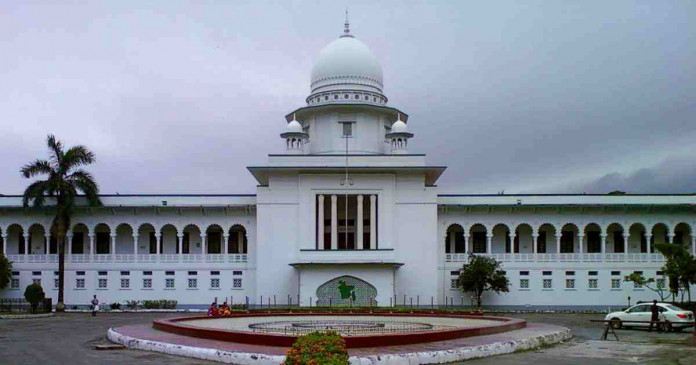
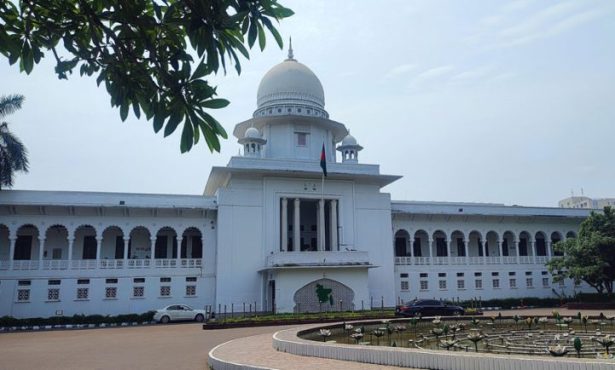
The Supreme Court on Thursday removed the legal barrier to appointing head teachers in around 32,000 government primary schools across the country, paving the way for the government to resume a recruitment process that had remained stalled for nearly 13 years.
A four-member Appellate Division bench headed by Chief Justice Zubair Rahman Chowdhury delivered the verdict, overturning an earlier High Court judgment that had invalidated parts of the law governing teachers of nationalised primary schools.
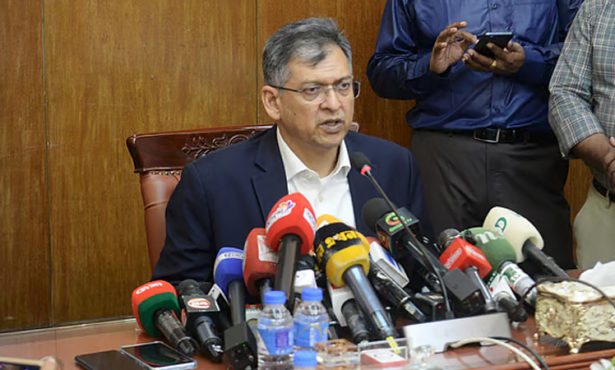
Attorney General Ruhul Quddus Kajal, who represented the state, said the judgment cleared all legal obstacles to appointing head teachers in government primary schools.
Speaking to reporters after the verdict, the Attorney General said the government nationalised about 26,000 privately managed primary schools in 2013 and subsequently enacted a law regulating the service conditions of teachers from those institutions.
Under the law, teachers and head teachers of the nationalised schools joined government service as assistant teachers, regardless of their previous designation. It also stipulated that teachers directly recruited into government service would rank above those absorbed from nationalised schools in the seniority list. In addition, only 50 percent of their previous service would be counted for pension, gratuity and other retirement benefits.
A group of teachers challenged those provisions in the High Court, arguing that they had served as head teachers before nationalisation and should retain their status and full seniority. The High Court ruled in their favour and struck down the disputed provisions of the law. The government later appealed the High Court verdict.
Allowing the government’s appeal on Thursday, the Appellate Division restored the validity of the law and set aside the High Court judgment.
The Attorney General said the ruling would enable the government to proceed with appointing head teachers in approximately 32,000 government primary schools, ending a prolonged legal uncertainty that had delayed the recruitment process for more than a decade.