


 Play store

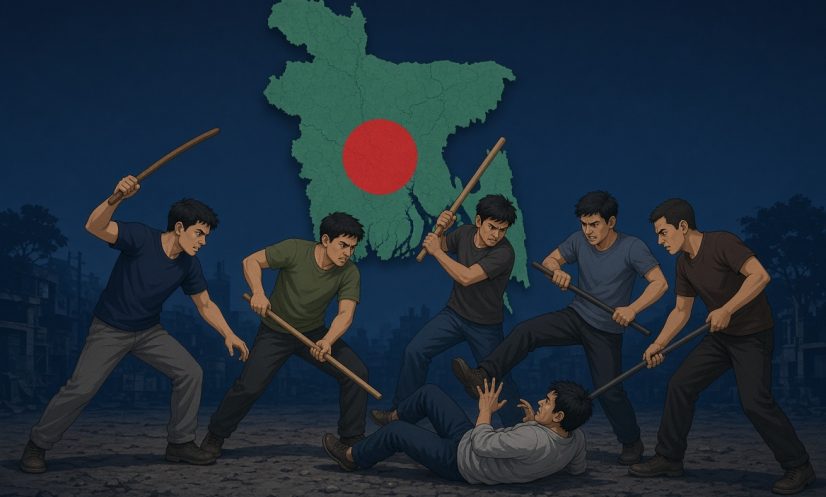
Deaths from mob violence rose sharply in Bangladesh in October, with 32 people killed during the month, averaging more than one death a day, according to a monthly review by the Manabadhikar Sanskriti Foundation (MSF).
The figure was nearly 40 percent higher than the 23 deaths recorded in September, raising fresh concerns over public safety, human rights and accountability.
The national human rights organisation, which monitors and compiles information from across the country, said 32 people were killed in mob violence in October, marking a 39.13 percent increase from the previous month. However, the number of people injured in such incidents fell to 54 from 74.
The review also found a sharp rise in attacks on places of worship belonging to religious minorities. Incidents involving vandalism, damage and theft increased from 10 in September to 35 in October, a 250 percent rise.
Two incidents of vandalism targeting minority households were recorded in Rangpur and Pirojpur, while attacks at markets left people injured in Brahmanbaria and Kushtia.
The MSF said the incidents highlighted the need to ensure the security of religious and cultural sites and protect the equal rights and dignity of all citizens. It called for impartial investigations to establish the circumstances, motives and responsibility behind each incident.
The monthly review also recorded an increase in deaths linked to internal political conflicts, despite a sharp decline in the overall number of people injured in political violence.
The number of people injured in political violence fell from 384 in September to 88 in October. However, deaths linked to internal conflicts within the BNP and Awami League rose from one to five during the month.
Deaths in prison custody also declined, falling from 24 in September to 16 in October. No deaths in the custody of law enforcement agencies were recorded during the month.
However, deaths reportedly caused by panic during special police operations increased from one to two.
The number of arrests during special operations rose from 6,565 to 7,439, while arrests of people identified as members of juvenile gangs increased from 1,707 to 2,563.
The MSF said the circumstances surrounding the incidents, the grounds for arrest, medical information and law enforcement procedures needed to be examined to properly interpret the figures.
The situation of journalists showed some improvement in October, although concerns over press freedom remained.
The number of attacks and incidents of harassment involving journalists declined from 28 in September to 23 in October. Cases of legal harassment fell from nine to one, while cases related to digital or cyber security laws dropped from eight to two.
Despite the decline, continued attacks and online harassment of journalists remained a concern for press freedom, the publication of information in the public interest and an environment of accountability, the organisation said.
The number of unidentified bodies recovered increased slightly from 71 in September to 73 in October. At the same time, the number of recovered bodies whose identities were subsequently established fell from 14 to four.
The organisation stressed the importance of determining the causes of death, identifying the deceased and ensuring necessary investigations in every case.
Along the Bangladesh-India border, deaths from shootings by India’s Border Security Force (BSF) declined from four in September to one in October. However, the number of people injured by gunfire increased from one to three.
One person was also injured in a landmine explosion along the Myanmar border.
Attempts to push people into Bangladesh from across the Indian border declined from 103 in September to 92 in October.
The MSF said deaths, gunshot injuries and explosive-related incidents along the borders underscored the need to ensure the safety of border residents and take effective action through the relevant authorities.
In its overall assessment, the organisation said changes in the country’s human rights situation remained uneven across different areas.
While incidents declined in some categories, the rise in deaths from mob violence, fatalities linked to internal political conflicts and attacks on places of worship belonging to religious minorities required particular attention, it said.
The organisation cautioned that statistics alone could not establish the causes, motives or responsibility for individual incidents, stressing that evidence-based verification and impartial investigations were essential to ensure accountability.