


 Play store

Ahmadul Kobir, Malaysia: Malaysia is stepping up efforts to develop a skilled and future-ready workforce as rapid technological advances and changing employment patterns reshape the world of work.
As part of the initiative, the country is seeking to strengthen regional cooperation in skills development, vocational training and workforce capacity building among members of the Brunei-Indonesia-Malaysia-Philippines East ASEAN Growth Area (BIMP-EAGA).
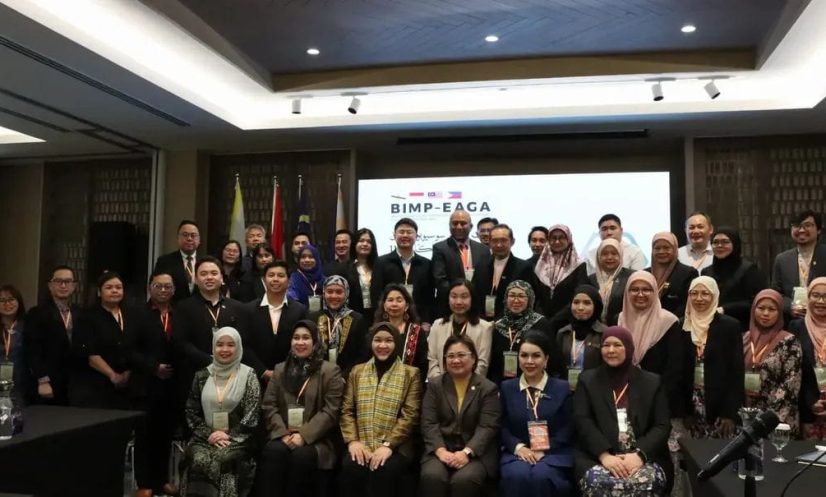
Malaysia’s Ministry of Human Resources (KESUMA) took part in the 11th BIMP-EAGA Social and Cultural Cluster and Education Meeting held in Brunei Darussalam on September 1.
Hosted by Brunei’s Ministry of Culture, Youth and Sports, the meeting brought together representatives from BIMP-EAGA member countries and relevant working groups.
The meeting was chaired by Caroline Cleophas Joseph, Deputy Permanent Secretary of the Ministry of Education, Innovation and Talent Development (MEITD), Sarawak, and Chairperson of the BIMP-EAGA Social and Cultural Cluster.
Participants reviewed progress on programmes and projects under the cluster and discussed preparations for the BIMP-EAGA Leadership Meeting scheduled for November 2026.
Human resource development emerged as a key area of discussion, with particular emphasis on training, technical skills and workforce capacity building.
Participants stressed the importance of equipping workers across the region with skills that will enable them to remain competitive and adapt to rapidly changing labour market demands.
The BIMP-EAGA Social and Cultural Cluster operates through three main working groups: the Human Resources Development Working Group, the Sociocultural and Education Working Group, and the Youth and Sports Development Working Group.
KESUMA is actively involved through the Human Resources Development Working Group, supporting initiatives aimed at expanding training and skills development while encouraging member countries to exchange expertise, knowledge and experience.
The Malaysian ministry emphasised that technological advances are rapidly transforming workplaces, industries and the nature of employment.
Against this backdrop, it said stronger regional cooperation in training and skills development would be essential to creating a more capable, competitive and adaptable workforce.
The ministry said closer collaboration among BIMP-EAGA members could help countries respond collectively to emerging skills gaps and ensure that workers are better prepared for the jobs of the future.
The initiative also reflects Malaysia’s broader effort to strengthen human capital development and improve workforce competitiveness through regional partnerships.
As technology continues to reshape industries and employment, Malaysia sees cooperation in education, technical training and skills development as increasingly important to ensuring sustainable economic growth and better employment opportunities across the region.