


 Play store

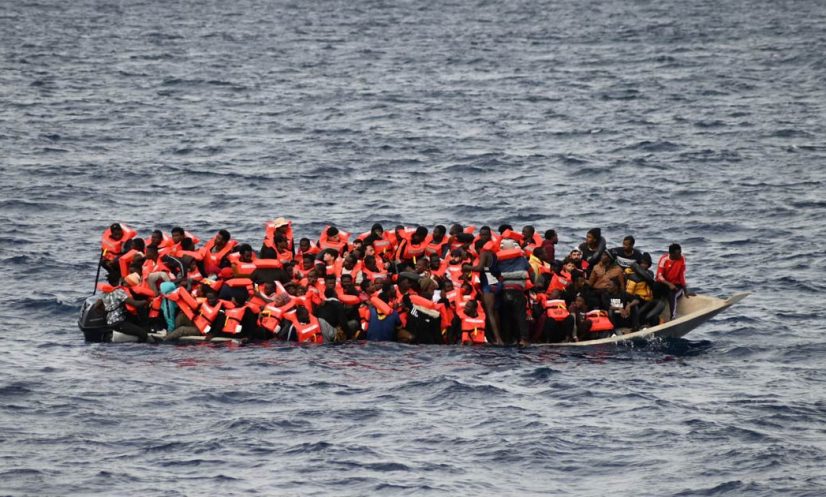
Bangladeshis accounted for the largest number of irregular migrants detected entering Europe through the Mediterranean in the first nine months of 2026, even as the overall number of irregular border crossings into the European Union declined significantly.
According to an October report by the European Border and Coast Guard Agency, Frontex, more than 91,000 irregular border crossings were detected at the EU’s external borders between January and September, down by around one-third from the same period last year.
The report said the eastern and central Mediterranean routes, leading primarily to Greece and Italy, remained major entry points. Around 60% of irregular migrants detected along these two routes arrived by small boats, with Bangladeshis accounting for a significant share.
Frontex reported that around 31,800 irregular border crossings were detected along the eastern Mediterranean route in the first nine months of 2026, down 15% from the same period a year earlier.
Sudanese, Bangladeshi and Afghan nationals were the most frequently detected along this route, which includes journeys from Libya to the Greek island of Crete. Others attempt to enter Europe through Turkey’s land borders. Around 4,800 irregular crossings were detected along the route in September alone.
On the central Mediterranean route, approximately 22,500 irregular crossings were detected during the January-September period, a 56% decline year-on-year.
Bangladeshis, Algerians and Somalis were the leading nationalities detected along this route. Migrants typically depart from Libya, although many also attempt the journey from Tunisia and Algeria. Around three-quarters of those travelling along this sea route departed from Libya.
Despite the decline in irregular crossings, the risk of dying at sea remains high. According to the International Organization for Migration (IOM), around 2,000 people had died in the Mediterranean by September 2026.
The Frontex report warned that human smuggling networks put migrants aboard overcrowded and unseaworthy boats, exposing them to serious risks during the journey. Such networks also exploit migrants by charging large sums of money while waiting for favourable weather conditions to organise departures.
Frontex Executive Director Hans Leijtens said most irregular entry attempts into Europe had declined, but the situation could change rapidly. Although smuggling networks had reduced their activities, they had not stopped operating and were waiting for new opportunities, he said.
The European Union’s new Migration and Asylum Pact came into effect in mid-2026, introducing standardised screening procedures for people entering the bloc irregularly.
The procedures include determining nationality, collecting biometric data and verifying identity documents, with Frontex officers assisting member states.
Those whose asylum applications are rejected will be returned to their countries of origin, according to the report.
Under the new framework, around 54 Bangladeshi nationals have been repatriated from Greece and Italy to Bangladesh in recent days.