Play store

Ahmadul Kobir, Malaysia: Malaysia aims to produce 125,000 professional huffaz by 2050, equipping Quran memorizers with professional qualifications and skills to become doctors, engineers, scientists, entrepreneurs and national leaders.
Deputy Prime Minister Datuk Seri Dr Ahmad Zahid Hamidi has urged the public not to belittle tahfiz education or underestimate the potential of its students, stressing that those with a strong religious foundation can excel in various professional fields if given the right opportunities and training.
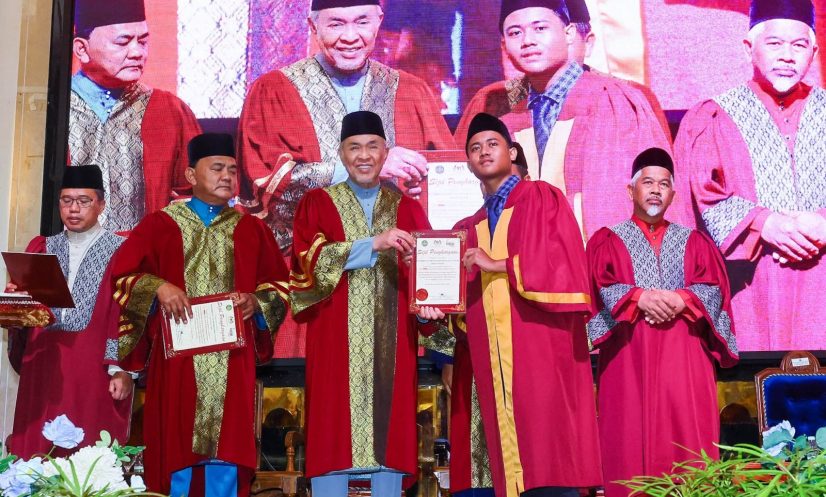
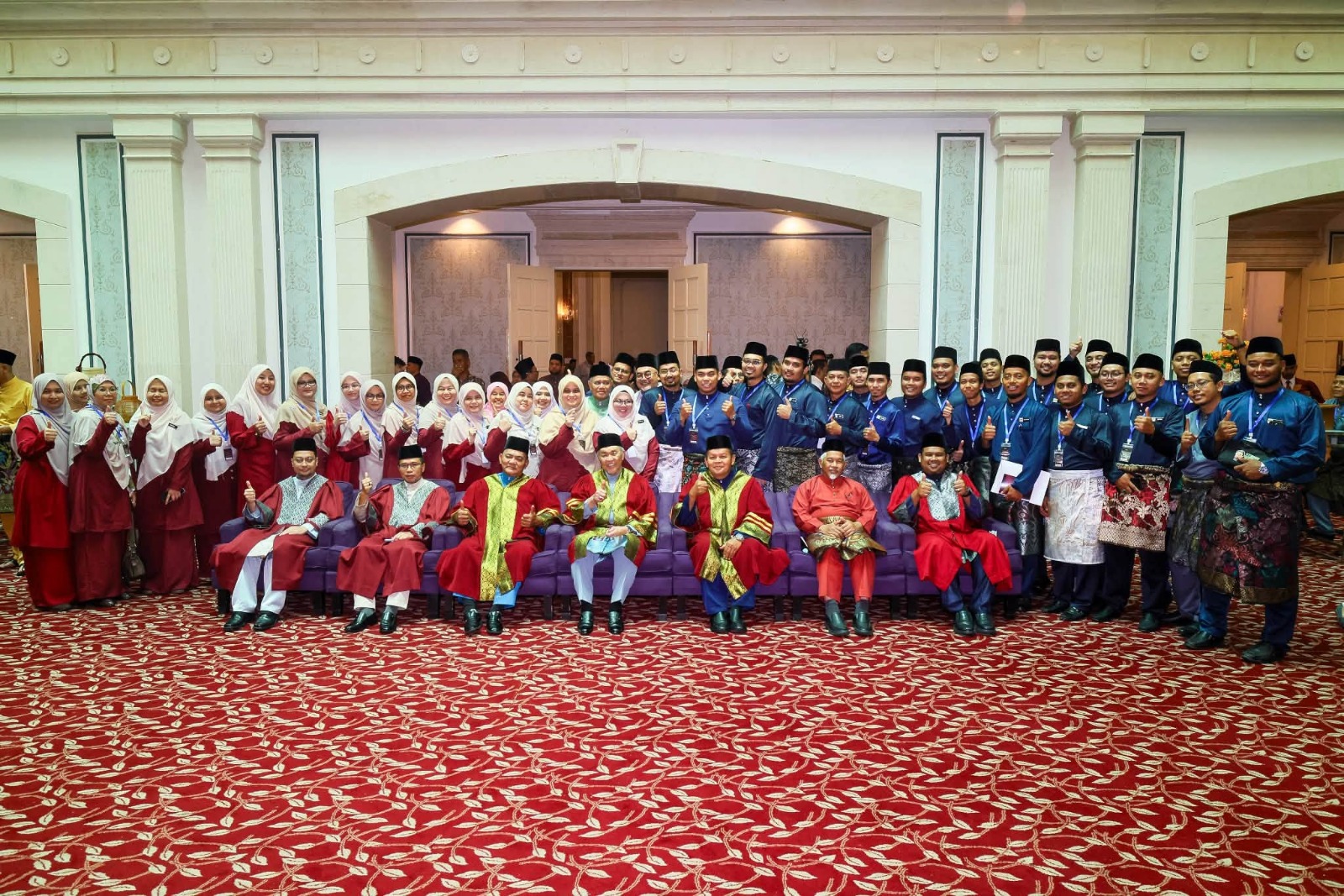
He made the remarks on Saturday at a Huffaz Graduation and Ulul Albab Excellence Appreciation Ceremony in Melaka.
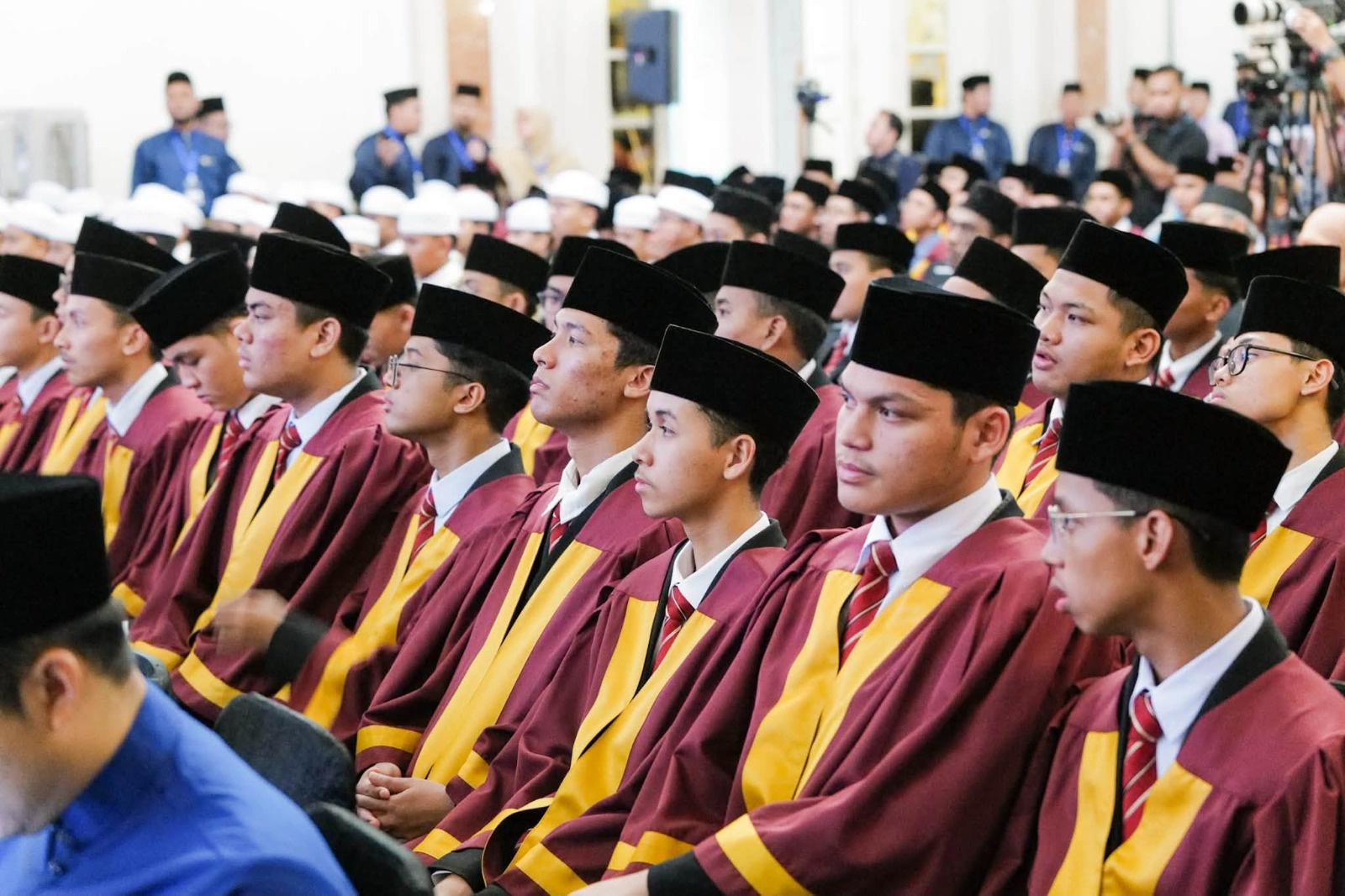
Ahmad Zahid, who is also the Minister of Rural and Regional Development, said the government and society must establish clear educational and career pathways for tahfiz students, from early education to university, technical training and professional employment.
“Never belittle tahfiz education or underestimate the future of tahfiz students. God willing, through our efforts and the prayers of their parents, they too will become professionals. That is our hope,” he said.
He stressed that students who spend years memorising the Quran should not struggle to find employment because their qualifications are not properly recognised.
Ahmad Zahid said the government was working to strengthen the country’s tahfiz education system through initiatives including the Malaysia Tahfiz Certificate 2.0, the Malaysia Tahfiz Recognition Standards and the establishment of the National Tahfiz Council.
He revealed that around 225,000 children aged between two and five at preschools operated by the Community Development Department (KEMAS) and kindergartens nationwide had begun pre-tahfiz classes.
He also highlighted the expansion of the Ulul Albab programme to 58 MARA Junior Science Colleges (MRSMs), noting that students from these institutions had achieved some of the country’s highest results in the Sijil Pelajaran Malaysia (SPM), Malaysia’s national secondary school examination.
The deputy prime minister said he had initiated efforts to integrate registered and unregistered tahfiz institutions, as well as traditional religious boarding schools known as pondok schools, into the Technical and Vocational Education and Training (TVET) system.
He said the discipline, perseverance and concentration developed through Quran memorisation should be complemented by technical training and practical industry experience.
Training opportunities offered by the Majlis Amanah Rakyat (MARA), GiatMARA and Universiti Kuala Lumpur (UniKL) would help students develop the skills needed for professional and technical careers.
“Imagine a doctor who is a hafiz treating patients with expertise and compassion, or a hafiz engineer developing technology with integrity and a strong sense of responsibility. These are the contributions we want to see,” he said.
“Knowledge makes us competent, but values determine how that expertise is used.”
Ahmad Zahid said the target of producing 125,000 professional huffaz by 2050 reflected the government’s commitment to combining religious knowledge with modern professional expertise.
The initiative is expected to develop skilled individuals capable of contributing to healthcare, engineering, scientific research, entrepreneurship and national leadership.
He said a generation equipped with both religious knowledge and professional skills could make significant contributions to national development and social well-being.
Ensuring quality education, recognised qualifications, technical training and access to professional employment would enable tahfiz students to demonstrate their capabilities across a wide range of industries while maintaining their religious foundations, he added.