


 Play store

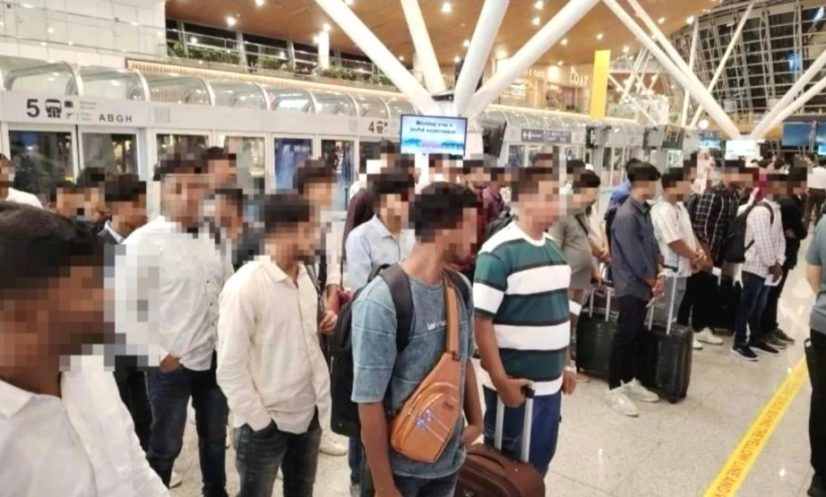
Ahmadul Kobir, Malaysia: Bangladeshis rank second among foreign nationals denied entry into Malaysia, with 27,504 Bangladeshi citizens receiving ‘Not to Land’ (NTL) notices over the past three years, according to the country’s Immigration Department.
Indonesians top the list with 34,650 cases, while Indians rank third with 22,350. The figures cover the period from January 2024 to October 2026.
Immigration Department Director-General Zakaria Shaaban disclosed the figures in an interview with local media on Monday (November 23).
According to the department’s statistics, a total of 41,656 foreign nationals were denied entry into Malaysia during the first 10 months of this year, meaning an average of around 140 travellers were turned away at Malaysian airports and border checkpoints every day. The number of foreigners refused entry stood at 49,522 in 2025 and 34,528 in 2024.
A ‘Not to Land’ notice is issued when a traveller is refused entry into Malaysia and instructed to return to their last point of departure. Under Malaysian immigration laws, all foreign nationals are subject to screening at designated entry points, and those who fail to meet the entry requirements may be denied admission.
Zakaria said some of the main grounds for refusing entry under Section 8(3) of the Immigration Act include failure to demonstrate sufficient financial means to cover expenses during the intended stay, suspicious travel purposes, and being listed in security databases or immigration blacklist records.
Other reasons include carrying an invalid passport, failing to obtain the appropriate visa and violating visa conditions.
He explained that foreign nationals could be placed on the immigration blacklist for violating immigration laws, posing security concerns, being identified through enforcement operations or being flagged by other government agencies. Overstaying visas, working illegally, involvement in criminal activities and other legal violations may also result in blacklisting.
Depending on the nature and circumstances of the offence, travel restrictions may be imposed temporarily or indefinitely.
To avoid complications at immigration checkpoints, Zakaria advised foreign travellers to ensure that their passports have at least six months of validity, carry confirmed return or onward tickets and demonstrate sufficient funds to cover their expenses. They should also have proof of accommodation or a confirmed place to stay in Malaysia.
He said foreign visitors, except nationals of countries exempted from the requirement, must complete the Malaysia Digital Arrival Card (MDAC) online within three days before arriving in the country.
On internationally wanted criminals, Zakaria said Malaysia exchanges information on internationally identified suspects through Interpol Red Notices. If such individuals are detected at airports or border checkpoints, the authorities take appropriate action, including arrest or deportation, in accordance with Malaysian law.
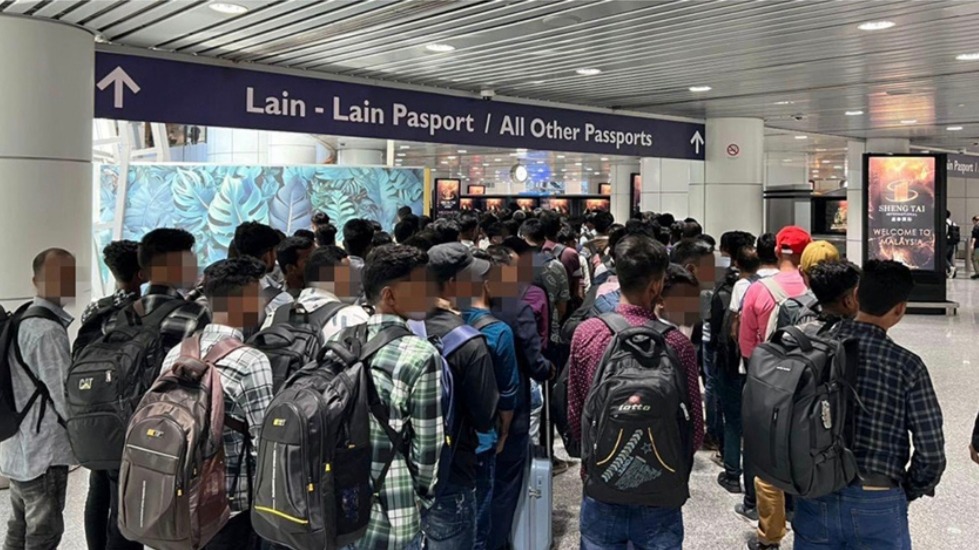
Meanwhile, Zakaria revealed that 404,848 Malaysian citizens had been barred from travelling abroad since 2024 for various reasons, including outstanding income tax, unresolved customs-related matters, unpaid Employees Provident Fund (EPF) contributions, court orders, bankruptcy and failure to repay government-sponsored education loans.
He said the Immigration Department enforces travel restrictions based on instructions from relevant government agencies, including the Inland Revenue Board and the Insolvency Department. However, the department itself is not responsible for collecting outstanding debts or resolving the disputes.
Malaysian citizens facing travel restrictions must contact the relevant agencies to settle their dues or resolve pending issues. Their travel status will be updated only after the Immigration Department receives official instructions from the respective agencies to lift the restrictions.
Zakaria added that individuals subject to outstanding arrest warrants or wanted notices issued by law enforcement agencies would be handed over to the relevant authorities.
He advised Malaysian citizens to check their travel status through the Immigration Department’s official online travel status checking portal before making overseas travel arrangements.