


 Play store

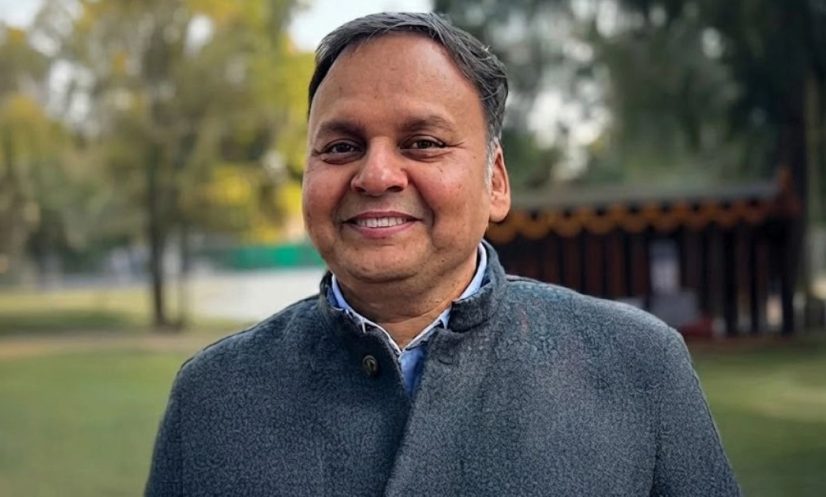
The Dhaka visit of Parag Jain, chief of India’s intelligence agency Research and Analysis Wing (RAW), comes at a time when Bangladesh-India relations are searching for a new equation amid prolonged discomfort and mistrust.
It is therefore usual that such a visit would induce considerable discussion among political and security observers. Particularly following the fall of the Sheikh Hasina government, relations between Dhaka and New Delhi have undergone significant torments.
Against this backdrop, most analysts do not view the RAW chief’s visit as merely a routine engagement, but something more purposeful. However, excessive speculation surrounding the visit could also create confusion rather than provide a clear picture of the situation on the ground.
One of the most thorny issues in Bangladesh’s current political landscape is Sheikh Hasina’s presence in India and her controversial political activities there. Her extradition, her political statements from Indian soil, and perceptions of India’s role in Bangladesh’s domestic politics have generated considerable resentment in Dhaka, further complicating bilateral relations.
India, meanwhile, has legitimate concerns of its own regarding its security, the border situation and its broader regional interests following Bangladesh’s political transition. In this context, intelligence-level communication could prove important.
Beyond public diplomatic statements, issues such as security, border management, terrorism, transnational crime, intelligence sharing and regional stability are often better addressed through discreet and direct channels. The fact that Parag Jain arrived in Dhaka after a visit to China has also attracted particular attention from observers.
Bangladesh, India and China all occupy important positions in the strategic landscape of South Asia. However, there is currently no publicly available evidence to conclude that his visit to Dhaka necessarily involves discussions on a specific trilateral equation.
The Bangladesh government, for its part, appears keen to portray the visit as part of normal bilateral engagement. Information and Broadcasting Adviser Zahed Ur Rahman said there was “nothing to speculate about” and that the RAW chief would meet his Bangladeshi counterpart.
The government’s position suggests, at least for now, that Dhaka does not want the visit to become a public political issue. Yet an important question remains: why was a visit at the highest intelligence level considered necessary at a time when relations between the two countries are particularly sensitive? The answer may lie at several levels. First, the visit could help keep communication channels between the two countries’ security establishments open. Second, it could facilitate direct discussions on border and transnational security issues. Third, it could provide India with an opportunity to better understand Bangladesh’s new political realities and assess the country’s changing public perception of India. Fourth, the two sides may seek to clarify their respective positions and concerns regarding the Sheikh Hasina issue. However, the real test of the visit will lie in its outcome.
A high-level meeting alone will not thaw relations between Dhaka and New Delhi. Rebuilding the relationship will require mutual trust, respect for each other’s political sensitivities, and visible assurances that neither side will interfere in the other’s internal affairs. From Bangladesh’s perspective, relations with India remain important because of trade, border management, water-sharing, energy, connectivity and regional security. Likewise, Bangladesh remains strategically important to India as a neighbouring country.
A prolonged deterioration in bilateral relations would therefore serve neither side’s interests. The RAW chief’s visit may, therefore, not be intended to produce any major public announcement.
Rather, it could represent an attempt to quietly rebuild trust between the two countries. Even if the visit is simply part of routine intelligence and security communication, its significance cannot be dismissed given the current political circumstances. The most important issue now is not the speculation surrounding the visit, but what follows it.
Whether the two sides issue any joint message, whether there are changes in bilateral security cooperation, and, most importantly, whether there is any progress on the major unresolved political issues between Dhaka and New Delhi will ultimately determine the significance of the visit.
Therefore, the RAW chief’s Dhaka visit should neither be exaggerated as evidence of a secret political deal nor dismissed as merely ceremonial. In the present circumstances, it is an important signal of security and diplomatic communication between the two countries. Its true meaning, however, will become clearer with time and through the actions that follow.