Play store

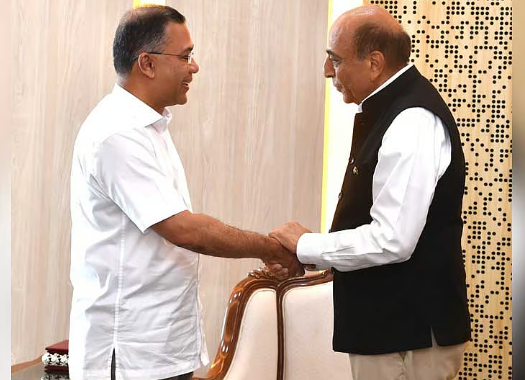
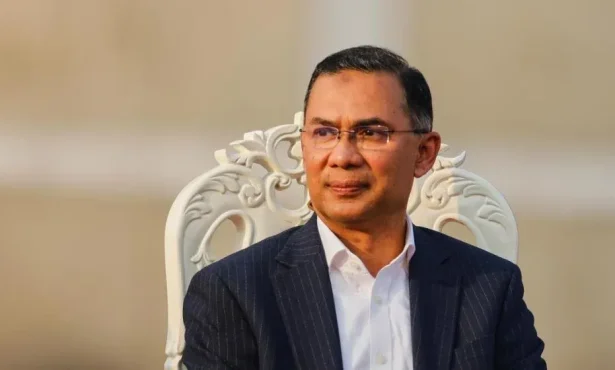
Tensions between Bangladesh and India have deepened over the question of Sheikh Hasina’s extradition, complicating efforts to stabilise relations and casting uncertainty over a possible visit by Prime Minister Tarique Rahman to New Delhi.
According to Indian news outlet ThePrint, political divisions within Bangladesh’s government and among rival parties have left Dhaka’s India policy unsettled, with the former prime minister’s presence in India emerging as a central point of friction.
Hasina fled to India in August 2024 after resigning amid the July Uprising. The International Crimes Tribunal sentenced her to death in absentia in November last year over allegations that she ordered the deadly crackdown on the 2024 student-led mass movement.
Bangladesh recently asked India to expedite Hasina’s extradition and hand over the accused killers of Sharif Osman Hadi as part of efforts to create what Dhaka described as a “conducive environment” for Tarique’s possible visit.
That position had dampened expectations of an early trip, despite discussions between the two governments over a possible visit in August or early September.
ThePrint reports that negotiations over the visit were continuing, with New Delhi willing to host Tarique and discuss the broader bilateral relationship. But Hasina’s public appearance at a press conference in New Delhi on Aug 5 has sharpened tensions.
Bangladesh had raised concerns with India before the event and urged Delhi to restrict Hasina’s public political activities.
One Bangladesh government source quoted by the outlet said Dhaka wanted a mutually beneficial relationship with India but believed New Delhi needed to prevent Hasina from making statements that could affect Bangladesh’s domestic politics.
“I mean first keep her quiet and then we [Bangladesh] can talk,” the source told ThePrint.
The Indian government subsequently distanced itself from Hasina’s press conference, describing it as a “private event”, but the explanation had failed to satisfy sections of Bangladesh’s political establishment.
Domestic Politics Complicate India Policy : The deterioration in relations since Hasina’s removal from power in August 2024 has also become entwined with domestic political competition in Bangladesh. NCP leader Nahid Islam has said there should be “no initiative to establish normal diplomatic relations” with India until the extradition issue is resolved, according to the report.
The outlet said such pressure has created difficulties for Tarique as he balances calls for a working relationship with India against political forces advocating a tougher stance towards New Delhi.
It also reported apparent differences within the government over how ties should be managed. According to ThePrint, Foreign Minister Khalilur Rahman has maintained high-level contacts with Indian officials, including National Security Advisor Ajit Doval, while Foreign Affairs Advisor Humaiun Kobir has taken a firmer public position on Hasina’s extradition.
The outlet cited Bangladesh government sources as saying the foreign ministry and bureaucracy continued to stress the need for engagement with India because several unresolved bilateral issues required cooperation. These include migration, water-sharing and the future of the Ganges Water Treaty, which is due to expire in December.
ThePrint said negotiations over extending the treaty remained uncertain while the prime ministers of the two countries had yet to meet.
New Delhi Shifts Tone
Amid the tensions, India has begun describing its relationship with Bangladesh as one based on “reciprocity”, language the outlet characterised as a notable shift. The wording appears to signal that New Delhi believed the next move rested with Dhaka.
At the same time, the report said Indian High Commissioner Dinesh Trivedi had been pushing for Tarique to visit India as a way to break the political deadlock. Trivedi met Tarique last week before travelling to New Delhi the following day to meet Indian Prime Minister Narendra Modi.
There has also been a series of contacts between senior security and diplomatic officials from both countries in recent months as the two sides attempted a gradual stabilisation of ties.Those included visits and meetings involving Bangladesh and Indian intelligence, security and foreign-policy officials.
But ThePrint quoted a diplomatic source as saying those efforts had been seriously undermined by the latest dispute over Hasina and uncertainty surrounding Tarique’s visit.
Water Treaty Adds Urgency : The lack of an apparent way out of the political impasse could further strain relations as the Ganges Water Treaty approaches expiry.
One source in Dhaka even suggested to ThePrint that Modi could visit Bangladesh instead of Tarique travelling to India, although Dhaka has not extended such an invitation.
Delhi believes it has made efforts to keep the relationship functioning, including maintaining diesel supplies amid disruptions linked to the conflict in West Asia and extending invitations for Tarique to visit.
Bangladeshi political analyst Mubashar Hasan told the outlet that Dhaka’s tougher language towards India could strengthen Tarique’s domestic political position by presenting him as a leader willing to “stand up to India”. But he warned that such an approach was largely reactive.
“It is a reactionary policy rather than an innovative one,” Hasan told ThePrint. “That means the control of this policy is not at Dhaka’s end. It is mostly in the hands of India. If such a relationship goes on for long, it may become costly.”