Play store

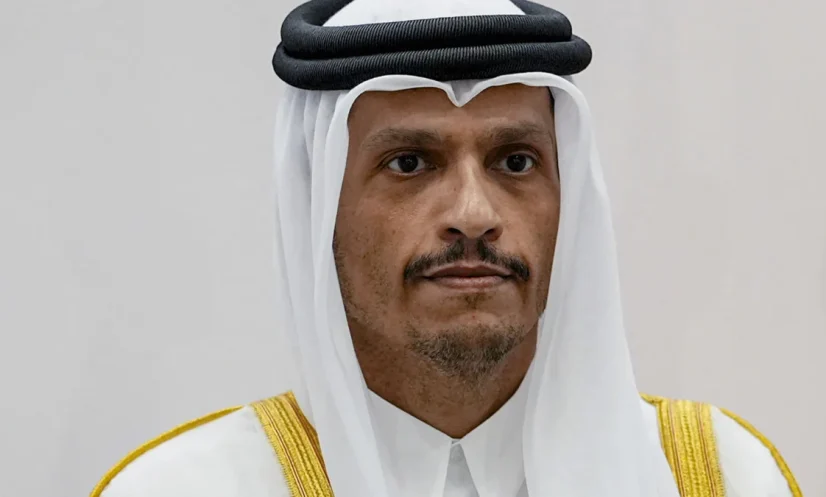
Qatari Prime Minister Mohammed bin Abdulrahman Al Thani has said the Middle East needs a new “regional security framework” that includes Iran, adding that the war against the Islamic Republic should be a “wake up call” for the region.
“Iran is our neighbour,” Al Thani told the Qatar Economic Forum in New York on Sunday.
“We have to act together responsibly as a region and to make sure that we are having good relations with Iran,” he said. “We are hoping this war is a wake-up call for everyone.”
The Qatari prime minister’s comments came hours after reports claimed the US was planning to restart direct attacks after months of reduced violence.
US President Donald Trump cut short a weekend visit to the Camp David presidential retreat on Sunday with no official explanation, and a new security alert was issued by the State Department to all US citizens in the Middle East.
Trump also reportedly told a Fox News reporter “very big things are going to be happening in the not-so-distant future” and that the options he was considering were “wiping Iran out, letting them rot economically or making a deal”.
Since the US and Israel went to war with Iran more than six months ago, Gulf Arab states have borne the brunt of Iran’s reprisals despite some urging Washington to end the US-Israeli war.
The Islamic Republic has repeatedly attacked US military bases across the region, with photos seen by Middle East Eye showing widespread damage. The Trump administration has yet to acknowledge the extent of the damage sustained.
The impact of the war on the global economy has also been highly damaging, particularly after Iran closed off the crucial Strait of Hormuz waterway.
The number of vessels sailing through the strait has dwindled, with preliminary ship-tracking data from Kpler showing only 12 commodity vessels crossing over the weekend.
Earlier on Sunday, Anwar Gargash, a diplomatic adviser to the UAE’s president, said at a separate event that the region needed a “new mindset,” and called for negotiations to end the war to include an “Iranian-Arab” element.
For Qatar and its Gulf neighbours, the disruption is becoming an increasingly direct economic threat.
Qatar, Kuwait, Bahrain, Iraq and the UAE all depend heavily on the Strait of Hormuz for energy shipments and imports. Meanwhile, the crisis is also threatening Qatar’s plans to expand its liquefied natural gas (LNG) production.
Earlier this month, Qatar extended its force majeure for LNG shipments to early November because of the maritime blockade of the Strait of Hormuz.
But the vulnerability of any Strait of Hormuz bypass has been underscored in recent weeks with Saudi Arabia’s East-West Pipeline disabled by a drone attack the kingdom said emanated from militias in Iraq.
The attack came amid a sweeping Houthi offensive in Yemen that put the group in control of the entirety of Yemen’s Red Sea coastline.
The Houthis have imposed a blockade on Saudi Arabian shipping. They attacked Riyadh airport over the weekend. Source: MEE.