Play store

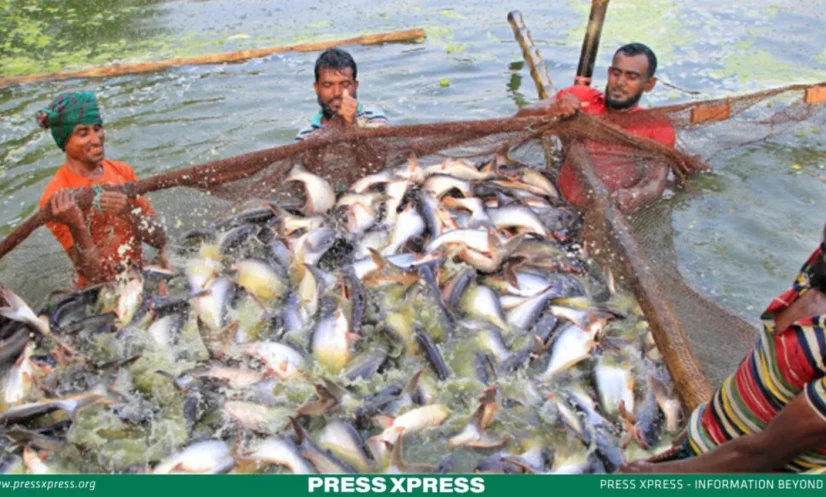
Bangladesh produced 5.11 million metric tonnes of fish in the 2024-25 fiscal year, with the fisheries sector continuing to play a major role in the country’s food security, nutrition and rural economy.
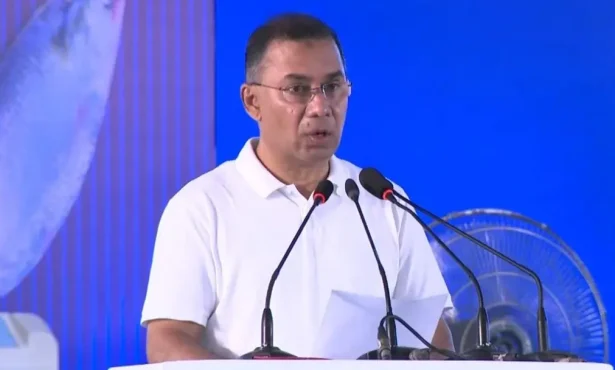
The figures were disclosed on Thursday at a press conference at the Ministry of Fisheries and Livestock ahead of National Fisheries Week 2026, which will begin on Sunday under the theme, “Bangladesh first, a self-sufficient nation in fish.”
According to the minister, per capita daily fish availability has reached 67.80 grams, exceeding the nationally determined nutritional requirement of 60 grams.
The fisheries sector contributes 2.58 percent to Bangladesh’s gross domestic product and 22.03 percent to agricultural GDP. Around 20.6 million people are directly or indirectly involved in the sector.
Citing data from the Food and Agriculture Organization’s 2026 report, the minister said Bangladesh ranks second globally in fish capture from inland open-water sources and fifth in aquaculture production from closed-water bodies. The country also ranks first in the world in hilsa production.
National Fisheries Week will officially open at the George Institute Mini Stadium ground in Achmita Union of Katiadi upazila in Kishoreganj on Sunday. Prime Minister Tarique Rahman is scheduled to attend the event as chief guest and inaugurate the programme and distribute national fisheries awards.
Fourteen individuals and organisations will receive National Fisheries Awards (gold medals) in 13 categories as part of this year’s observance.
The minister also highlighted government support for fishermen during seasonal fishing bans and conservation measures. In the 2025-26 fiscal year, substantial quantities of Vulnerable Group Feeding (VGF) rice were distributed among fishermen during various fishing restrictions.
During the same period, families of 26 fishermen who died and 13 who went missing while fishing received financial assistance of Tk50,000 each.
He said initiatives had also been taken to abolish the leasing system for water bodies, coastal canals and haors and open them up to local fishermen and poor communities under the principle of “the net belongs to the fisher, so does the water.”
The government is also preparing an integrated plan to establish shrimp as a global brand and increase shrimp exports, he added.