Play store

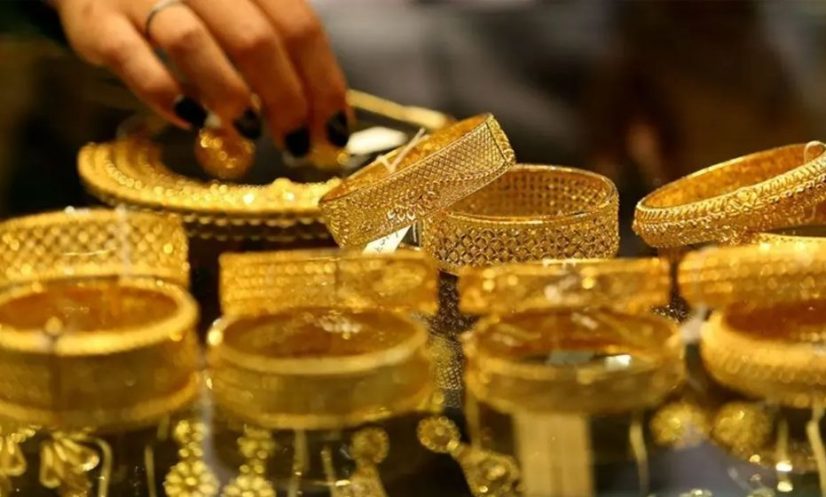
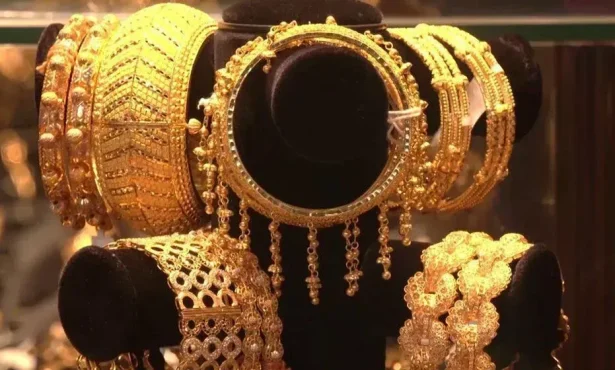
Gold prices fell a day after reaching their highest level in more than three months as investors awaited key US inflation data for clues about the Federal Reserve’s next interest-rate decision.
At 10:10 a.m. Bangladesh time on Wednesday (August 26), spot gold was down 0.3pc at $4,642.74 per ounce. The metal had climbed to its highest level since mid-May on Tuesday. Gold had also posted a significant rise last week following the US Treasury’s announcement of a bond buyback plan.
Meanwhile, US gold futures rose 0.1pc to $4,700.70 per ounce.
Investors are now focused on the US July Personal Consumption Expenditures (PCE) price index, a key inflation gauge closely monitored by the Federal Reserve. The data is scheduled to be released at 12:30 p.m. Greenwich Mean Time on Wednesday.
Markets are also watching Federal Reserve Chair Kevin Warsh’s remarks at the Jackson Hole symposium on Friday. Analysts say gold could receive further support if inflation comes in below expectations and Warsh delivers a dovish or balanced message on interest rates.
Wael Makarem, financial markets strategist at Exness, said that easing inflation combined with a dovish signal from the Fed could strengthen expectations of lower US real interest rates. This would reduce the opportunity cost of holding gold, a non-yielding asset.
Gold demand could also rise if concerns over US financial stability intensify. The issue has gained greater attention following the recent US Treasury bond buyback plan.
Earlier this month, data showed that US nonfarm employment unexpectedly declined, while consumer inflation was broadly in line with expectations. As a result, market expectations for a September rate hike have weakened.
According to the CME FedWatch tool, markets currently see a 61.6pc probability that the Federal Reserve will leave interest rates unchanged next month.
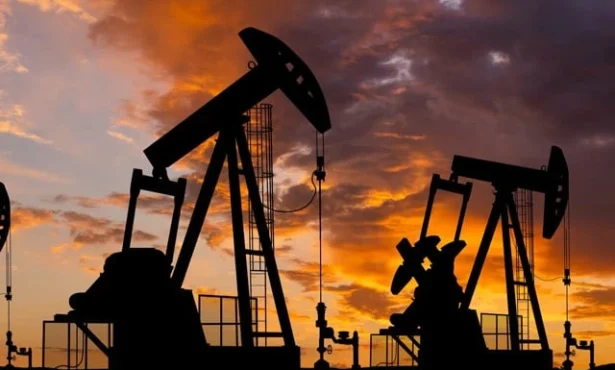
Meanwhile, the geopolitical landscape has also shifted. Iran has resumed talks with neighboring Oman over the management of the Strait of Hormuz, according to reports. The development has contributed to a decline in international oil prices.
International Monetary Fund Managing Director Kristalina Georgieva said the global economy had weathered the energy shock caused by the Iran war better than expected. However, she expressed concern over deteriorating financial conditions in some countries.