


 Play store

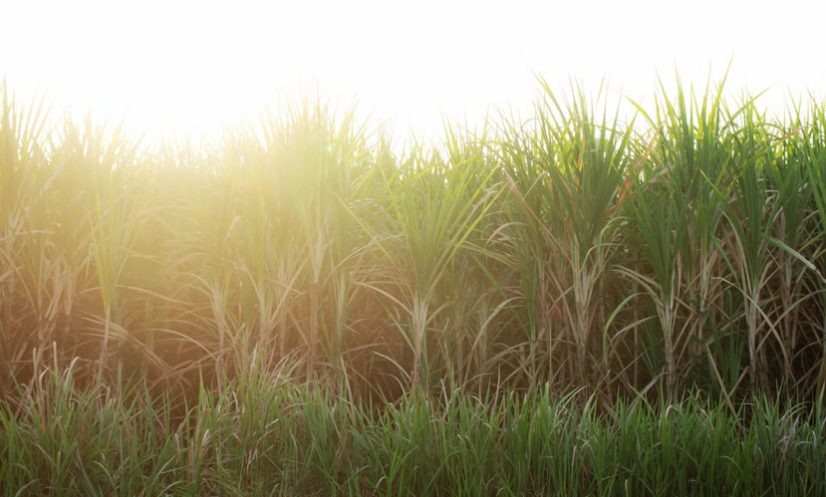
Sugarcane cultivation and production have increased steadily in Chattogram over the past five years, driven by favourable riverbank soils and growing returns for farmers.
In 2021, sugarcane was cultivated on 366 hectares in the district, producing 19,067 tonnes at an average yield of 52 tonnes per hectare. By 2026, the cultivated area had expanded to 440 hectares, while production rose to 25,092 tonnes and yield to 58 tonnes per hectare, according to the Department of Agricultural Extension (DAE).
The growth has been recorded mainly in riverbank areas of Chandanaish, Satkania, Boalkhali and Banshkhali in southern Chattogram, Rangunia in the north and Sandwip.
Mohammad Ali Jinnah, additional director of DAE Chattogram region, said sugarcane is grown to varying degrees in almost all 15 upazilas of the district, but performs particularly well on char lands and fertile alluvial soils along riverbanks.
He said the Sangu and Dalu river areas in Chandanaish, Satkania and Banshkhali produce consistently good yields, while cultivation is expanding along the Karnaphuli and Ichamati river corridors in Rangunia.
Most of the sugarcane reaching commercial markets currently comes from Dohazari in Chandanaish and nearby Satkania, he added.
Farmer Md Abul Kashem of Jamijuri in Dohazari said he cultivated sugarcane on five kanis, or about two acres, this season. His cultivation cost was around Tk 50,000 per kani, while the harvested crop was selling for Tk 120,000-Tk 150,000 per kani.
“After deducting cultivation and other operational expenses, my net profit is between Tk 70,000 and Tk 100,000 per kani,” he said.
DAE Deputy Director Apru Marma said fertile alluvial soil, adequate sunlight and favourable conditions along riverbanks were helping boost productivity and encouraging more farmers to shift to sugarcane.
The government is also providing technical and information support to farmers, she added.