Play store

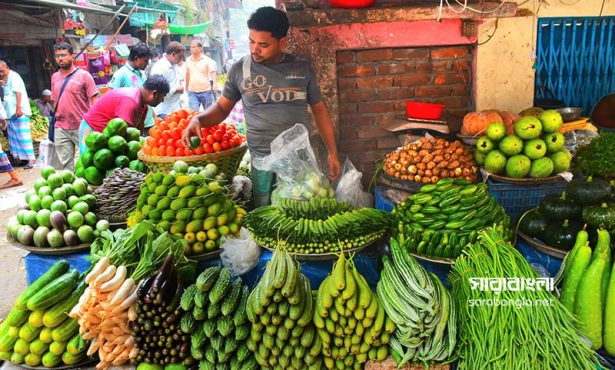
Vegetable prices remain high in Dhaka despite adequate supplies, with higher fuel costs being blamed for keeping transport and market expenses elevated.
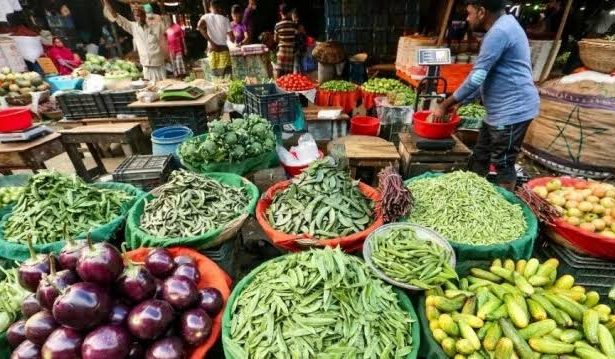
A visit to several kitchen markets in the capital on Friday showed that vegetable supplies had increased compared with the previous week, but prices of most common vegetables remained beyond the reach of many consumers.
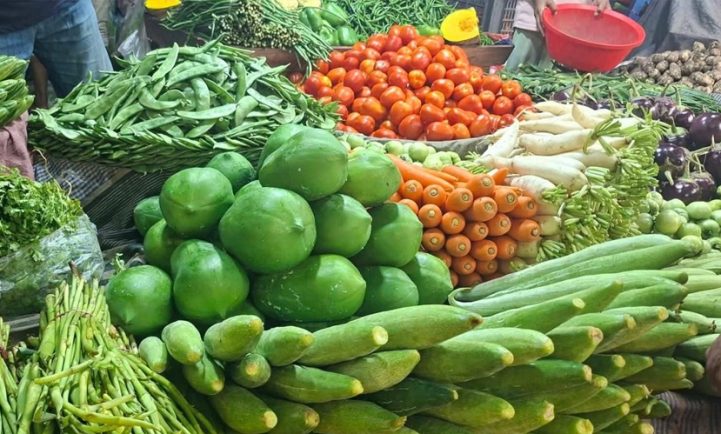
Most common vegetables, including eggplant, bitter gourd, yardlong beans, okra, pointed gourd and teasle gourd, were selling for Tk70 to Tk120 per kg. Cucumbers were available at Tk50-60 per kg, while local varieties cost Tk80-100.
Early-season beans were selling at Tk200 per kg, while papaya was the cheapest at Tk30 per kg. Green chilli prices, however, have fallen to Tk120-140 per kg depending on quality, from around Tk200 a few weeks ago, following an increase in supply.
Long eggplants were selling for Tk100 per kg, round eggplants Tk120 and tomatoes Tk120-140. Yardlong beans, ridge gourd and bitter gourd were Tk80 per kg. Bottle gourds were priced at Tk50-70 each, while taro corms were selling for Tk80 per kg.
“It feels like there is no shortage of vegetables when we come to the market. The shops are full of produce, but there is no sign of prices coming down,” a buyer said.
Fish prices have also remained high. Farmed pangasius and tilapia, traditionally considered affordable options for middle- and lower-income households, were selling for Tk220-250 per kg. Rui and katla were priced at Tk350-450 per kg, depending on size.
Hilsa remained the most expensive fish, with fish weighing around 1 kg selling for Tk1,600-1,800 per kg and 1.5-kg hilsa fetching Tk2,800-3,000 per kg. Smaller hilsa was also selling for Tk1,000-1,200 per kg.
Chicken prices have also increased. Sonali chicken was selling at Tk320 per kg, up Tk20, while Sonali hybrid was Tk290. Red-layer chicken was Tk360, broiler Tk180, up Tk10, and local chicken Tk670 per kg.
Retailers attributed the higher prices to increased wholesale and transportation costs. They said they were having to buy produce at higher prices from wholesale markets, while rain and higher transport costs were also pushing up retail prices.
Consumers, however, blamed inadequate market monitoring and alleged syndication by unscrupulous traders for keeping prices artificially high. They called for stronger government intervention and regular monitoring to control the prices of essential commodities.