Play store

Bangladesh’s Family Card, Farmer Card and social protection programmes are expected to help ease the burden of inflation and reduce poverty, particularly among low-income workers, according to assessments by the World Bank and the International Monetary Fund (IMF).
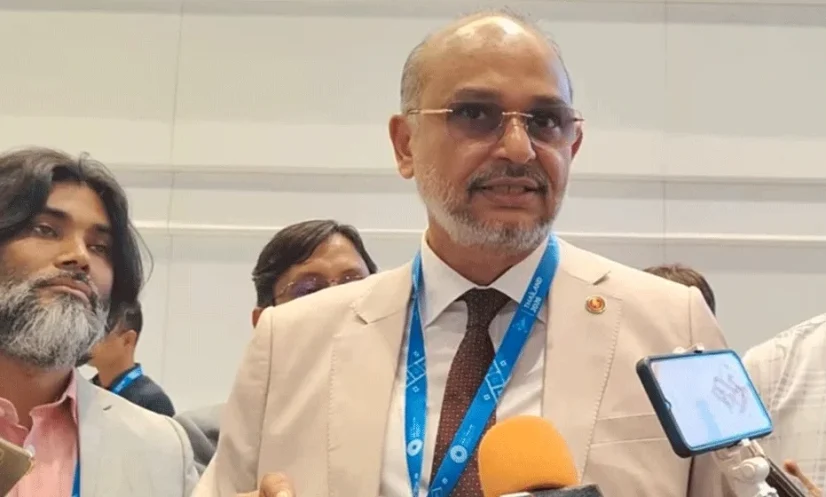
Dr Rashed Al Mahmud Titumir, adviser to the prime minister on finance and planning, told journalists on Friday (October 16) on the sidelines of the IMF and World Bank Group’s annual meetings in Bangkok that the initiatives could help lift people out of poverty and prevent vulnerable households from falling below the poverty line.
His remarks came as Bangladesh continues to face the effects of prolonged inflation and the ongoing Middle East crisis, which have increased living costs and raised concerns about higher energy and electricity prices.
Titumir said international assessments, including a recent World Bank report, had highlighted the risk of more people falling into poverty because of persistent inflation and the regional crisis. According to the World Bank’s estimate cited by him, prolonged inflation had pushed around eight million people in Bangladesh below the poverty line.
He said the government was taking steps to manage economic pressures while trying to limit the impact of fuel price adjustments on ordinary people.
The adviser acknowledged that past social safety-net programmes had suffered from errors in selecting beneficiaries. Some eligible people were left off the lists, while others who did not qualify received support. The government is now prioritising digital public infrastructure to ensure assistance reaches the intended recipients.
Citing assessments by independent research organisations, Titumir said effective implementation of the Family Card programme could reduce poverty by around five percentage points. He added that the government’s flagship initiatives were included in the prime minister’s election manifesto and the country’s five-year economic strategy.
He also stressed that monetary tightening alone would not be enough to control inflation, calling for fiscal and financial-sector reforms. The government aims to increase revenue collection and curb tax evasion, fraud and preferential treatment.
Titumir said revenue growth was around 3% in the previous fiscal year but rose to 12–13% between mid-February, when the current government took office, and June 30.
On banking-sector reform, he said restoring discipline and rebuilding depositors’ confidence were key priorities following past irregularities and financial losses estimated at around US$40 billion.
He said progress had been made in restoring confidence in Sammilito Islami Bank, with depositors able to withdraw money according to their needs since September 1. Some customers were also depositing money, which he described as a sign of improving confidence.
The Middle East crisis has increased import costs for fuel, liquefied natural gas and fertiliser. Titumir said the government was also considering the need to protect farmers from higher costs, including by avoiding an increase in diesel prices.
He added that the government’s broader strategy was to revive the economy, create jobs, boost production and exports, and position Bangladesh as a manufacturing hub and export gateway.
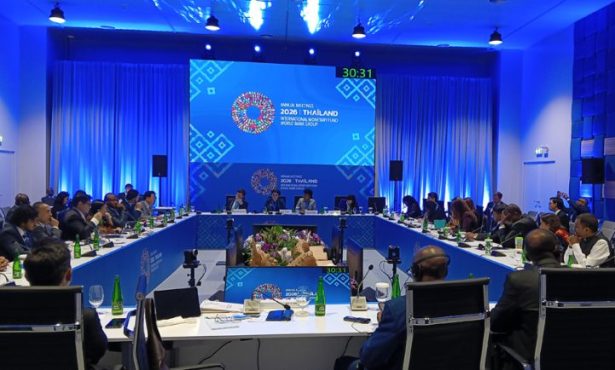
The 2026 annual meetings of the World Bank Group and the IMF are being held in Bangkok from October 12 to 18, bringing together finance ministers, central bank governors, policymakers and development partners to discuss global economic challenges, poverty reduction, investment and financial-sector reform.