Play store

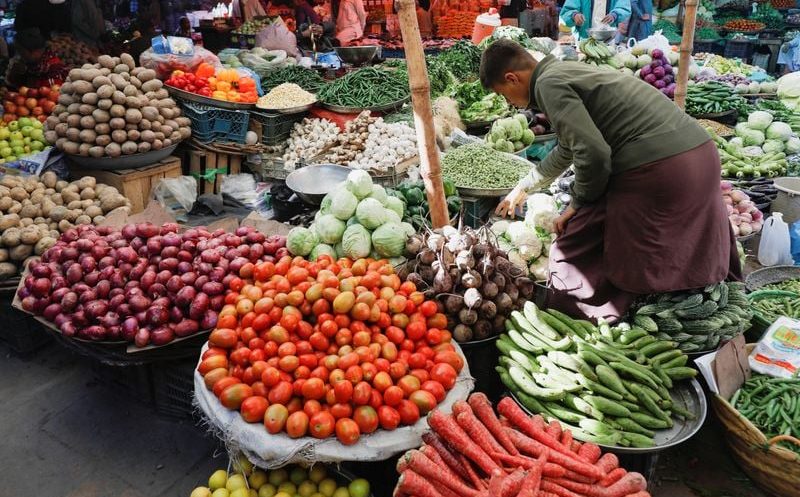
Pakistan’s consumer price inflation is expected to gradually ease towards the medium-term target range of 5 to 7 per cent during the 2026-27 financial year, supported by improving macroeconomic conditions, the country’s central bank said on Monday.
The State Bank of Pakistan (SBP), in its annual report on the state of the economy, projected real gross domestic product (GDP) growth at 3.5 to 4.5 per cent in FY27.
The central bank also expects the country’s current account deficit to remain between zero and 1 per cent of GDP, while the fiscal deficit is projected at 3 to 4 per cent of GDP.
The report said Pakistan entered FY27 on a relatively stronger macroeconomic footing, with improvements in key economic indicators and upgrades to its sovereign credit ratings.
The bank expects a gradual recovery in domestic demand to support economic activity. Recent fiscal measures are also likely to contribute to economic momentum.
However, it cautioned that worsening El Niño conditions could pose risks to the agricultural outlook. Higher output of major Kharif crops, including sugarcane, rice and maize, compared with the previous year is expected to support growth in commodity-producing sectors and services.
On the external front, the SBP expects imports to rise amid economic expansion, tariff rationalisation and higher global commodity prices. Exports, meanwhile, are projected to recover moderately, supported by policy incentives and improving global demand.
Continued growth in workers’ remittances is expected to help contain pressure on the external account, keeping the current account deficit within the projected range.
The central bank also said foreign exchange reserves could receive further support from Eurobond proceeds, foreign exchange purchases and expected official inflows.
However, higher global energy prices are likely to exert upward pressure on domestic inflation before it gradually moves towards the target range during FY27.
The projections reflect the central bank’s assessment of Pakistan’s economic outlook amid efforts to maintain fiscal discipline, strengthen external stability and support sustainable growth.