Play store

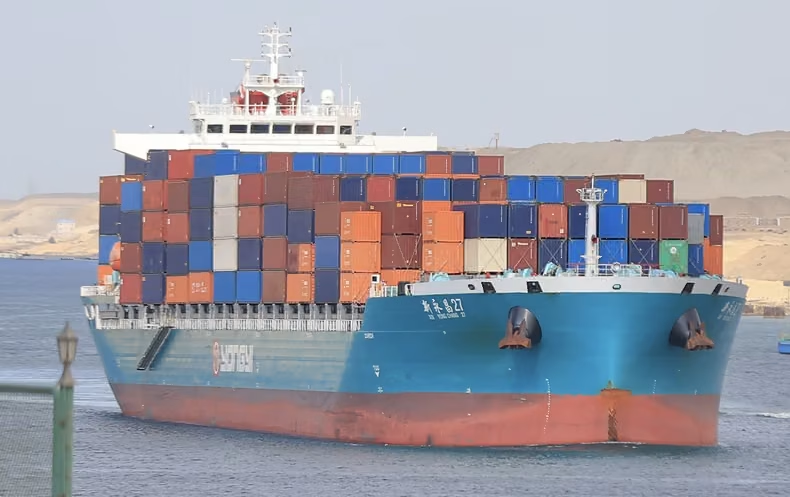
Africa’s trade deficit with China surged to $101.4 billion in the first 10 months of 2026, nearly matching the $102 billion shortfall recorded for the whole of 2025, as bilateral trade continued to expand.
Trade between China and Africa reached $346.8 billion during January-October, up 22.7 per cent from the same period a year earlier, according to Chinese customs data.
China’s imports from Africa rose 20.3 per cent to $122.72 billion, highlighting growing demand for the continent’s commodities and natural resources. However, exports from China to African countries increased even faster, widening the trade imbalance.
The figures emerged ahead of a scheduled meeting between US President Donald Trump and Chinese President Xi Jinping on Thursday on the sidelines of the Asia-Pacific Economic Cooperation summit in Shenzhen.
Trade is expected to be among the issues discussed as tensions over tariffs, technology and global supply chains continue.
Africa gains importance in China’s trade shift
The growing trade volume reflects a broader shift in China’s international trade following Trump’s decision to raise tariffs last year.
China has expanded exports to other markets, including Africa, as it seeks to diversify its trading relationships. Its overall goods trade surplus exceeded $1 trillion in the first 10 months of 2026, according to reports.
Data from China’s General Administration of Customs, reported by Agence Ecofin, show that exports to Africa grew faster than imports from the continent during the period.
However, the figures do not establish how much of the increase resulted from US tariffs or China’s expansion of duty-free access for African products.
The expanding trade relationship is producing mixed effects across African economies.
According to an analysis by Rhodium Group analyst Jeremy Smith for the Atlantic Council, China’s weaker property and construction sectors have reduced demand for some traditional commodities, including Angolan crude oil and South African iron ore.
At the same time, demand for copper and cobalt, essential materials for clean-energy industries, is supporting exports from the Democratic Republic of the Congo.
Chinese machinery, electronics, vehicles and other manufactured goods are also providing African consumers and businesses with greater access to imported products.
However, the growing flow of Chinese imports is putting additional competitive pressure on local manufacturers and producers in African markets.
Many African countries also remain heavily dependent on exporting raw materials to China rather than higher-value manufactured products.
The latest trade figures highlight the opportunities and challenges of Africa’s expanding economic relationship with China. Although the continent is gaining access to a larger export market, its growing trade deficit shows that the benefits of rising bilateral trade remain uneven.