Play store

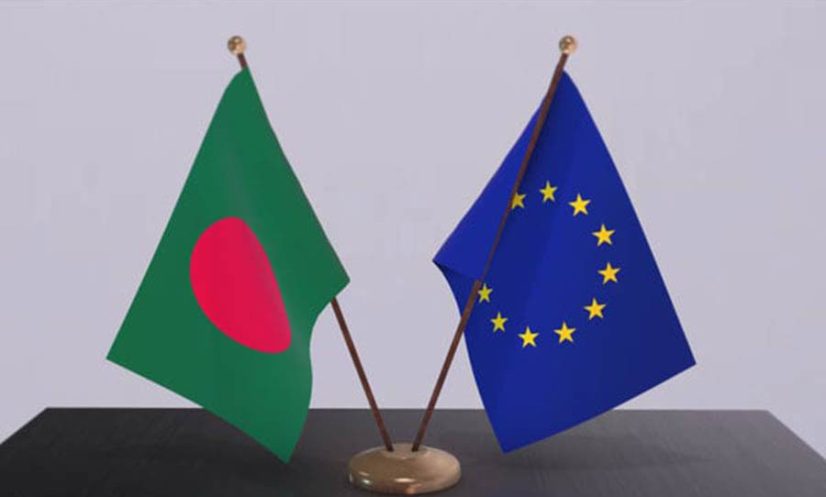
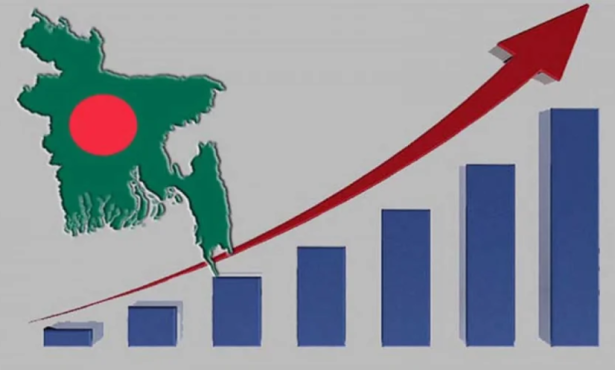
The European Union (EU) has invited Bangladesh to hold its first in-person discussions in December on a possible free trade agreement (FTA), marking a significant step towards strengthening bilateral economic and strategic ties.
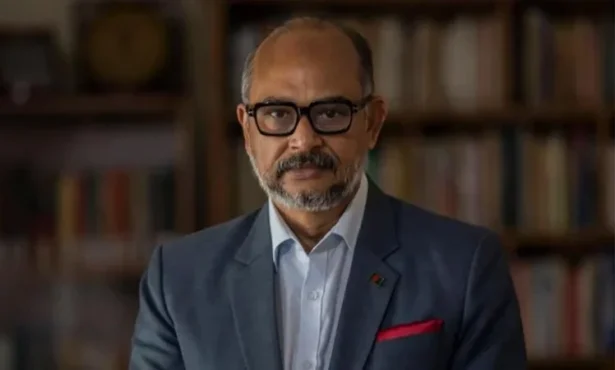
“In December, next month, we have invited Bangladesh for a first in-person set of talks on a possible future free trade agreement,” EU Ambassador to Bangladesh Michael Miller said on Monday.
He made the announcement at a DCAB Talk organised by the Diplomatic Correspondents Association, Bangladesh (DCAB), at the Jatiya Press Club in Dhaka.
Miller said the EU was moving beyond its traditional donor-recipient relationship with Bangladesh towards a broader partnership covering trade, investment, democratic institutions, migration, connectivity and security cooperation.
“We are now scoping an FTA,” he said, clarifying that formal negotiations had not yet started.
He said the EU was ready to match Bangladesh’s ambitions for stronger commercial ties, but any future agreement would require balanced commitments, reciprocity, mutual benefits and enforceable obligations.
The ambassador stressed that labour rights, environmental protection and good governance would remain key elements of bilateral economic relations.
He also urged Bangladesh to prepare urgently for changes in preferential market access after graduating from the least developed country (LDC) category.
Warning that Bangladesh’s competitive edge, particularly in the readymade garment sector, could weaken as labour costs rise and competing countries benefit from FTAs with the EU, he stressed the need for timely preparations.
“Six years for the European Union is almost the blink of an eye,” he said, referring to the time available for Bangladesh to prepare for the transition.
Miller said the EU had supported extending Bangladesh’s LDC graduation preparatory period to facilitate a smooth transition, but expected measurable reforms and stronger private-sector engagement.
Describing the EU as Bangladesh’s largest export destination, he said the country’s exports to the bloc reached 23.3 billion euros in 2025.
He also noted that Bangladesh was the largest beneficiary of the EU’s Everything But Arms (EBA) scheme, which offers duty-free and quota-free access to the European market.
Outlining an ambitious diplomatic calendar, the ambassador said the two sides had already initialled a Partnership and Cooperation Agreement (PCA), which is expected to be signed in the first half of 2027.
Discussions on a working arrangement with the European Border and Coast Guard Agency (Frontex) are expected to begin in Dhaka in January.
The EU will host its third Indo-Pacific Ministerial Forum in Brussels in March, focusing on economic, maritime and climate security.
A major Bangladesh-EU business and investment forum, jointly organised with the Bangladesh Investment Development Authority (BIDA), is scheduled for April 5-6 in Dhaka. It will explore investment opportunities in garments, leather, agribusiness, logistics and connectivity.
Miller also announced that Prime Minister Tarique Rahman had confirmed plans to visit Brussels in June 2027 for meetings with EU leaders.
He said the EU’s Global Gateway initiative was expanding cooperation with Bangladesh in transport, energy, digital infrastructure and logistics.
He cited the Laldia Green Container Terminal in Chattogram, railway modernisation and the country’s first electrified railway project as examples of growing European investment.
Rejecting allegations that the EU had pressured Bangladesh to purchase Airbus aircraft, Miller said, “Coercion and pressure – that’s not the way of doing business.”
Welcoming Airbus’s agreement to supply 10 aircraft to Biman Bangladesh Airlines, he said European companies wanted to compete on commercial merit. The deal could also open up further cooperation in aircraft maintenance, training, ground handling and aviation technology.
On migration, Miller said Bangladesh would be the only country discussed at an upcoming meeting of interior ministers from all 27 EU member states in early December.
Expressing concern over irregular migration, he called for tighter regulation of recruitment agencies, stronger action against human trafficking and expanded opportunities for legal migration.
Asked about recent political violence, the ambassador expressed confidence that the government had the security situation under control, while stressing the need for proportionate responses to unrest.
On restrictions on Awami League activities, he said the EU had no specific position.
Regarding the Rohingya crisis, Miller reaffirmed the EU’s support for safe, voluntary, dignified and sustainable repatriation of the refugees to Myanmar.
He said the EU had provided more than 500 million euros in humanitarian assistance since 2017, including 31.5 million euros in 2026, alongside 50 million euros in ongoing development cooperation in Cox’s Bazar.
Referring to the recent International Court of Justice judgment, he said the EU had supported accountability efforts, including facilitating Rohingya testimony before the court.
Miller said the EU looked forward to Bangladesh’s new Rohingya strategy and continued international responsibility-sharing.
Describing the evolving relationship as increasingly political and strategic, he said both sides needed dependable partners amid growing global uncertainty.
“The agenda reflects our ambition, which I think is a shared ambition to create a partnership rooted in trust, fairness, and shared purpose,” he said.
DCAB President AK Mohammed Moinuddin and General Secretary Emrul Kayesh also spoke at the event.