


 Play store

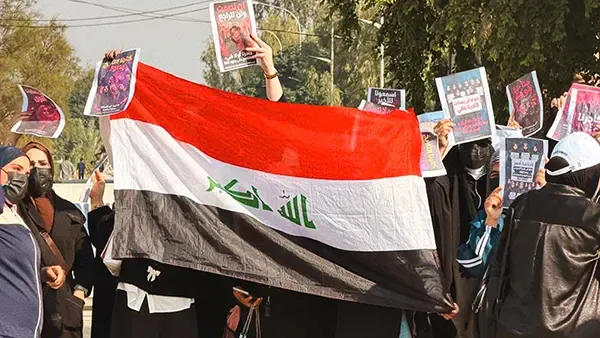
Around 400 female students have staged protests at Al-Qadisiyah University in southern Iraq after the university administration removed male professors from teaching female students, sparking a controversy over women’s rights and academic freedom.
The protests have continued for the past two weeks, with students demanding the reinstatement of their male teachers.
Women’s rights activists and human rights campaigners have compared the decision to gender segregation policies under Taliban rule in Afghanistan.
The university administration said the move was intended to prevent unrestricted interaction between men and women. It also claimed that families of female students had requested the change.
However, the students rejected this explanation, saying they had enrolled at the university knowing that male professors were part of the teaching staff.
They also maintained that their families were aware of the arrangement and supported their protests.
The students alleged that university authorities had dismissed their concerns and mocked their demonstrations instead of addressing the academic difficulties caused by the sudden removal of their teachers.
A 22-year-old student, identified as Huda, said university president Rahi al-Yasiri blocked their way with his bodyguards when they attempted to stage a protest.
She alleged that the guards mocked the students and photographed their faces in an apparent attempt to intimidate them and potentially punish them later.
Huda questioned why male doctors were allowed to treat both male and female patients while male professors were prevented from teaching female students.
According to her, the university president responded that he would not reinstate the professors regardless of the students’ protests.
The students said many of them were conducting undergraduate research and graduation projects under the supervision of the removed professors.
They had also become accustomed to their teaching methods, while the professors were familiar with their academic strengths, weaknesses and research requirements.
They fear that replacing their supervisors at this critical stage could seriously disrupt their studies and research.
The students further alleged that university officials told them they could leave the institution if they were unhappy with the decision.
Iraqi-British feminist researcher Balsam Mustafa of Cardiff University expressed concern over the development, saying female students were being treated as if they were minors without the right to challenge decisions affecting their academic lives.
She described the move as part of a worrying trend of shrinking women’s rights in Iraq, amid growing debates over women’s clothing and social conduct.
Iraqi lawyer and human rights activist Israa Salman termed the restrictions a “societal catastrophe”, arguing that they were aimed at suppressing women’s talents and professional capabilities.
She warned that attempts to impose such restrictions were pushing Iraqi society towards a model resembling Taliban-ruled Kabul.
Salman also argued that the decision contradicted Iraq’s Constitution and the international treaties and conventions ratified by the country.
The controversy has reignited debate over gender equality, women’s educational rights and academic freedom in Iraq.