


 Play store

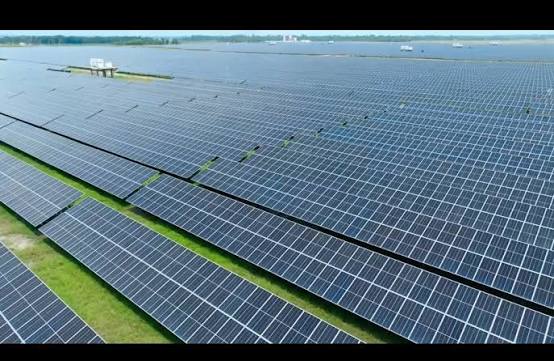
The Bangladesh Power Development Board (BPDB) has taken an initiative to build a 442MW solar power plant beside the 1,320MW Rampal coal-fired power plant in Bagerhat, aiming to expand the country’s renewable energy generation capacity.
The proposed project, estimated to cost nearly Tk2,500 crore, has already been included in a Development Project Proposal (DPP) prepared by BPDB and recently submitted to the Planning Commission for consideration.
According to BPDB sources, the proposed solar plant will be built on 685 acres of land that had originally been acquired for the second phase of the Rampal coal-fired power plant.
However, after the previous Awami League government adopted a policy decision not to build additional coal-fired power plants, the land remained unused for a long period.
BPDB has now proposed installing a 442MW DC-capacity solar power plant on the site.
The project is expected to begin in September of the current fiscal year and be completed by June 2029. The estimated cost is Tk2,498.99 crore.
BPDB plans to provide Tk374.85 crore from its own resources, while the remaining Tk2,124 crore will be financed from the power sector development fund. The project cost has been calculated based on an exchange rate of Tk123 against the US dollar.
The existing 1,320MW coal-fired Rampal power plant is operated by Bangladesh-India Friendship Power Company Limited (BIFPCL), a joint venture equally owned by India’s state-run NTPC and BPDB.
Planning Ministry sources said the Planning Commission’s Industry and Energy Division had sought policy approval from Finance and Planning Minister Amir Khosru Mahmud Chowdhury on whether a large-scale solar power project could be developed beside the thermal power plant.
The project later received in-principle approval at a ministerial meeting, according to the sources.
Two senior officials of the Industry and Energy Division, speaking on condition of anonymity, said BPDB had submitted the DPP and the Planning Commission had started processing the proposal.
“Given the controversies and environmental concerns surrounding the Rampal power plant in the past, we sought the planning minister’s permission on whether such a project could be undertaken there. The minister has given verbal approval,” one official said.
However, the Project Evaluation Committee (PEC) has not yet held a meeting to assess the proposal.
The proposed project comes at a time when BPDB remains a loss-making state entity and receives substantial government subsidies each year to meet its electricity purchase obligations.
Planning Commission officials said the proposed financing arrangements and project cost estimates would come under scrutiny during the PEC meeting.
“Questions will be raised about how the project will be financed and how different costs have been estimated,” an official said, adding that previous experience with solar projects and power purchase arrangements would help authorities examine whether any excessive costs had been included.
According to the project proposal, the estimated electricity generation cost of the solar plant will be Tk2.94 per kilowatt-hour. Its viable tariff has been estimated at Tk6.33 per kilowatt-hour, while the selling rate determined by the Bangladesh Energy Regulatory Commission has been put at Tk8.39 per kilowatt-hour.
BPDB Chairman Engineer Md Rezaul Karim said the solar project would be built on land already acquired by the organisation for the second phase of the Rampal thermal power plant.
“The land was acquired for the second phase of the Rampal power plant. But environmental concerns surrounding coal-based power generation meant that the land remained unused. BPDB will now develop a 442MW solar power plant there using its own financing arrangements,” he said.
Bangladesh has been increasing its focus on renewable energy as part of efforts to diversify its power generation mix. The government has set a target of generating 10,000MW of solar power by 2030.
To promote the sector, the government has also exempted key solar energy equipment, including components and batteries, from customs duty, regulatory duty, supplementary duty and advance tax until 2031.