Play store

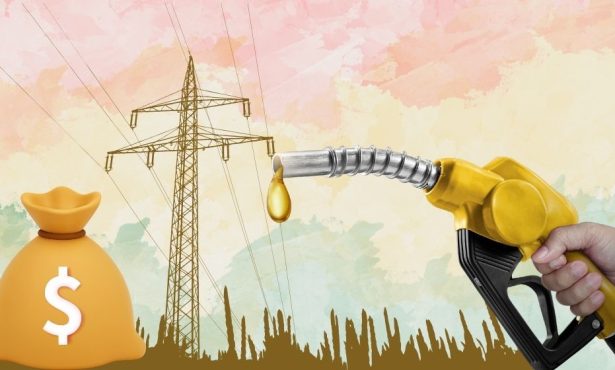
The government is bearing a growing financial burden by purchasing electricity and fuel at high prices while selling them to consumers at subsidised rates, as rising international energy costs put pressure on public finances.
According to recent reports, the Bangladesh Power Development Board (BPDB) purchases electricity at an average price of Tk 12.80 per unit but sells it at an average of Tk 8.50, leaving a gap of Tk 4.30 per unit that must be covered through government subsidies.
The BPDB’s annual report for the 2024-25 fiscal year showed that the average purchase price of electricity from independent power producers (IPPs) was Tk 14.56 per unit.
Electricity from some power plants, including the Rampal plant and India’s Adani Power, was purchased at Tk 13.57 and Tk 14.86 per unit, respectively.
The government has adopted a new policy to ease the subsidy burden.
Under the policy, it will not sign new power purchase agreements at rates higher than the average tariff or extend existing agreements with rates exceeding that level.
In a letter sent to the Finance Division on October 6, the Power Division said the measures were intended to reduce the financial pressure arising from the gap between electricity purchase and sales prices.
The initiatives are also in line with recommendations under the International Monetary Fund’s three-year reform roadmap.
The government expects the new policy to reduce subsidy requirements in the 2026-27 fiscal year and in subsequent years. However, the actual amount of savings has not yet been specified.
The fuel sector is also facing substantial losses as the government continues to sell petroleum products below their full import costs.
According to a statement by Energy Minister Iqbal Hassan Mahmood in Parliament in September, the Bangladesh Petroleum Corporation (BPC) incurred losses of Tk 20,059.73 crore between March and July 2026 following a sharp rise in international fuel prices.
The corporation was losing approximately Tk 83 crore a day during the period, putting additional pressure on its finances and the government’s subsidy commitments.
The government has adjusted domestic fuel prices to reduce the losses. From September 21, diesel was priced at Tk 135 per litre, octane at Tk 165, petrol at Tk 160 and kerosene at Tk 155.
Despite the increases, domestic prices remain below the levels that would fully reflect international costs.
The government faces a difficult challenge in balancing financial sustainability with affordable energy supplies for households, businesses and industries.
Higher electricity and fuel prices could increase transport, production and living costs, putting further pressure on inflation.
However, maintaining subsidised prices requires substantial public expenditure and can limit the funds available for other development and social programmes.
Energy-sector experts have stressed the importance of reducing inefficiencies, improving cost management and ensuring transparent electricity pricing to contain subsidy spending without disrupting supply.
The government’s latest policy changes are expected to gradually ease the financial burden.
Their effectiveness will depend on how the measures are implemented and whether electricity and fuel supply can be maintained at affordable prices.