Play store


The 2026 FIFA Men’s World Cup rewrote the record books in the United States, attracting unprecedented television audiences from the opening match to the final and establishing soccer as one of the country’s biggest broadcast events.
The tournament got off to a record-breaking start on June 11, when Mexico’s opening match against South Africa drew 13.4 million viewers on Telemundo and Peacock’s Spanish-language broadcast and another 7.19 million on Fox’s English-language coverage. Both figures set new U.S. records for a men’s World Cup opening match, while Telemundo and Peacock recorded their largest-ever audience for a World Cup game.
That record lasted just one week before Mexico’s second match attracted an even larger audience. Throughout the tournament, broadcasters NBCUniversal, which owns Telemundo and Peacock, and Fox Sports repeatedly set new viewing milestones.
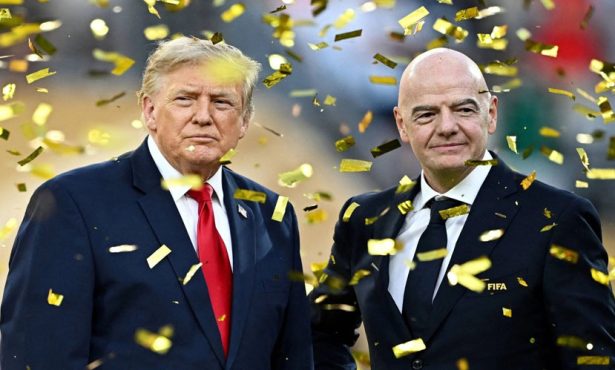
The biggest audience came on July 19, when the World Cup final attracted a combined 62.8 million viewers across Fox, Telemundo and Peacock. The match itself reached 66.4 million viewers, smashing the previous U.S. soccer television record of 26.7 million set during the 2015 FIFA Women’s World Cup final. It also far exceeded the previous men’s World Cup record of 25.78 million viewers for the 2022 final.
Industry analysts said hosting the tournament in North America played a major role in the record-breaking audiences. Most matches were broadcast during convenient afternoon and evening hours for U.S. viewers, a significant advantage over recent World Cups held in distant time zones.
Improvements in Nielsen’s audience measurement system also contributed modestly to the higher ratings. However, broadcasters said the scale of the audience growth far exceeded expectations, underscoring the sport’s rapidly expanding popularity in the United States.
Fox Sports and NBCUniversal reported that multiple matches set new audience records during the month-long tournament, with the top 11 most-watched games drawing exceptional combined audiences across English- and Spanish-language platforms. The tournament’s television success has strengthened expectations for continued growth in soccer viewership in the U.S. ahead of future international competitions.