


 Play store

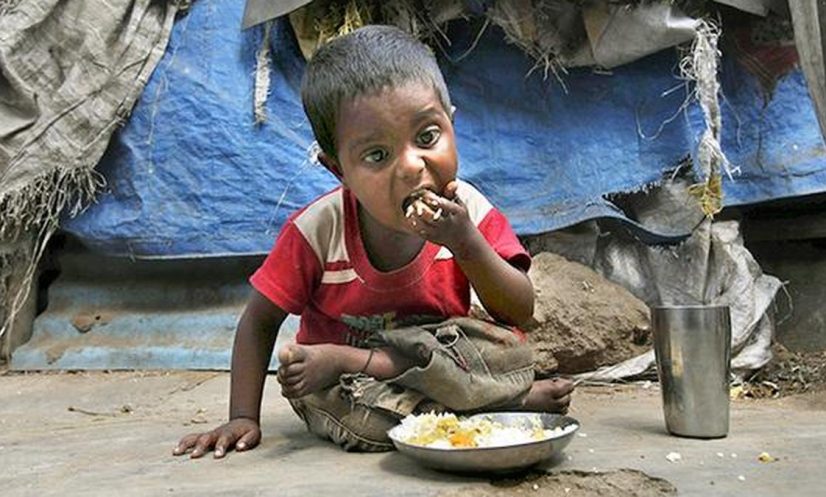
Bangladesh ranked 84th among 122 countries in the 2026 Global Hunger Index (GHI), with a score of 19.2, as progress in reducing hunger has slowed significantly and child wasting has increased.
The country’s score improved by more than 42% between 2000 and 2018, but progress since 2018 has been limited to around 4%. Bangladesh remains in the “moderate” hunger category, according to the report.
The report highlights a worrying rise in child wasting, a form of acute malnutrition measured by low weight for a child’s height.
The rate increased from 8.4% in 2018 to 12.9% in the latest assessment, its highest level since 2000. Child wasting increases the risk of illness and death.
However, Bangladesh has made progress on other indicators. The rate of child stunting fell from 29.8% in 2018 to 24%, while the proportion of the population experiencing undernourishment declined from 12.1% to 8.2%. The under-five mortality rate also decreased from 3.3% to 3%.
Over the longer term, child stunting has dropped substantially, from 54.9% in 2000 to 24% in the latest assessment.
The GHI research attributed improvements in child stunting partly to better parental education, particularly among mothers, and improved household living standards. Better healthcare and sanitation, along with demographic changes, also contributed to the progress.
Among South Asian countries, India scored 24.1, Pakistan 25.5 and Afghanistan 28.6, placing all three in the “serious” hunger category. Nepal scored 14.5 and Sri Lanka 10.2, both classified as having “moderate” hunger.
South Asia’s overall score stood at 23.5, placing the region in the serious category, while the global score was 18.1, indicating moderate hunger.
The Global Hunger Index assesses hunger using four indicators: undernourishment, child wasting, child stunting and under-five mortality. A lower score indicates a lower level of hunger.