Play store

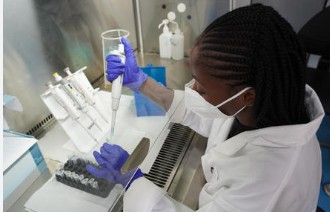
A simple blood test could revolutionize the detection of tuberculosis (TB) and curtail the spread of one of the world’s top infectious-disease killers, according to new research presented on July 29, 2026, at the ADLM 2026 meeting in Anaheim.
The study demonstrated that quantifying a specific bacterial protein circulating in the blood accurately identifies active TB across patients with varying degrees of disease progression—a vital step toward replacing traditional, slower diagnostic methods.
The World Health Organization estimates that a quarter of the global population carries Mycobacterium tuberculosis, with 5 to 10 percent eventually developing active, contagious disease. While TB is highly treatable with antibiotics when caught early, current diagnostic standards rely on sputum samples—mucus coughed up from the lungs—which many patients in early stages or with low bacterial counts cannot produce.
“Every week of delay in diagnosing TB matters—so early identification may allow treatment to begin sooner and potentially reduce transmission,” said Dr. Sheng-Wei Pan, lead author of the study and physician at Taipei Veterans General Hospital in Taiwan. “Non-sputum-based diagnostic tools are urgently needed.”
To address this gap, Dr. Pan’s team utilized an advanced biosensor designed to measure minute levels of ESAT-6, a protein secreted directly by the TB bacterium. While ESAT-6 has been studied previously, past sensors lacked the sensitivity to distinguish active pulmonary TB from latent infection, past exposure, or non-TB lung conditions.
Evaluating blood samples from 217 individuals—comprising active TB cases alongside various control groups, including patients with non-TB mycobacterial infections, lung cancer, latent TB, and healthy individuals—the team observed a clear, stepwise increase in ESAT-6 concentrations: a) Uninfected individuals with TB exposure registered the lowest marker levels. b) Latent TB patients exhibited moderate concentrations and c) Active TB patients showed the highest protein levels.
This strong correlation remained consistent even after adjusting for variables such as age, sex, and underlying health conditions like diabetes. Because ESAT-6 originates directly from the pathogen rather than measuring the host’s immune response, it significantly outperformed two standard blood-based biomarkers in identifying active disease.
While conventional sputum cultures remain critical for verifying drug resistance, researchers believe ESAT-6 offers an effective triage tool when sputum collection is difficult or delayed. The team is currently planning a prospective, real-world clinical study to evaluate the test’s predictive performance in real time before seeking broader implementation in health systems worldwide.