


 Play store

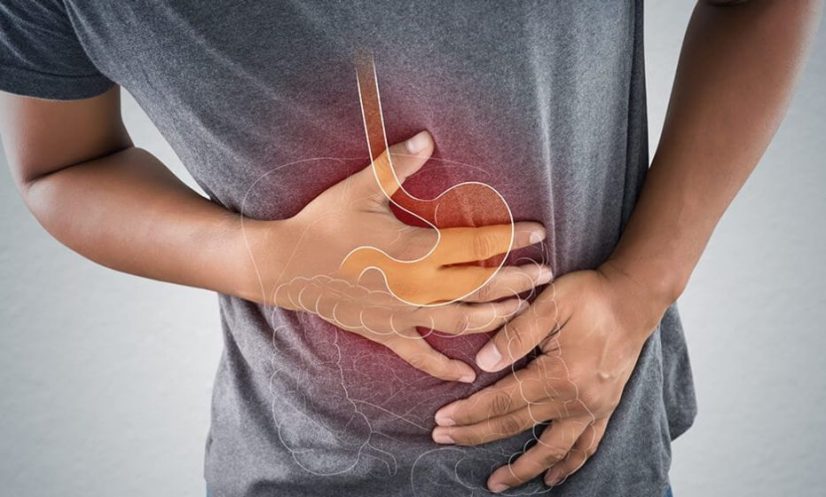
Many people assume that stomach pain is caused by gas or acidity and start taking antacids or using home remedies on their own. However, recurring stomach discomfort is not always due to simple gas or indigestion. If the problem persists for a long time, it is important to undergo medical evaluation to determine whether there is an underlying digestive disorder.
When should you see a doctor?
Doctors say occasional acidity or indigestion is very common and usually not a cause for concern. However, if the symptoms persist for more than two to three weeks, keep returning, or gradually worsen, people should stop self-medicating and consult a doctor.
If antacids fail to provide relief, or the same symptoms recur every few days, it is important to identify the underlying cause. Such symptoms can be associated with gastritis, ulcers, acid reflux, gallbladder or pancreatic problems, and various other digestive disorders.
Symptoms to watch for
Peptic ulcer: Burning or pain in the upper abdomen may occur, often in relation to meals.
Gastroesophageal reflux disease (GERD): Symptoms may include heartburn, a sour or acidic taste in the mouth, or chest pain.
Gallstones: Pain in the upper abdomen, particularly after eating fatty foods, can be a sign of gallstones.
Pancreatic problems: Severe pain in the upper abdomen may occur and can sometimes radiate to the back.
Gastritis or H. pylori infection: Recurrent upper abdominal pain, nausea and bloating may occur.
However, the symptoms of these conditions can often be similar. Therefore, determining the exact cause may require a physical examination, blood tests, ultrasound, endoscopy or other necessary investigations.
Seek medical attention promptly if you experience these symptoms
People should seek medical advice promptly if they experience unexplained weight loss, frequent or repeated vomiting, difficulty or pain while swallowing, vomiting blood, black stools or blood in the stool, severe or progressively worsening abdominal pain, fever and jaundice, unexplained anemia, or changes in normal bowel habits.
How to keep your digestive system healthy
To maintain a healthy digestive system, include a variety of fiber-rich foods such as vegetables, fruits, legumes and whole grains in your diet. Avoid excessive consumption of highly processed foods and alcohol. Regular exercise, maintaining a healthy weight, getting adequate sleep and reducing stress are also important.
Experts also advise against unnecessary use of painkillers, particularly nonsteroidal anti-inflammatory drugs (NSAIDs). If certain foods trigger stomach problems, identify them and reduce their intake. However, major food groups should not be completely eliminated from the diet without a valid reason.
Source: Hindustan Times