


 Play store

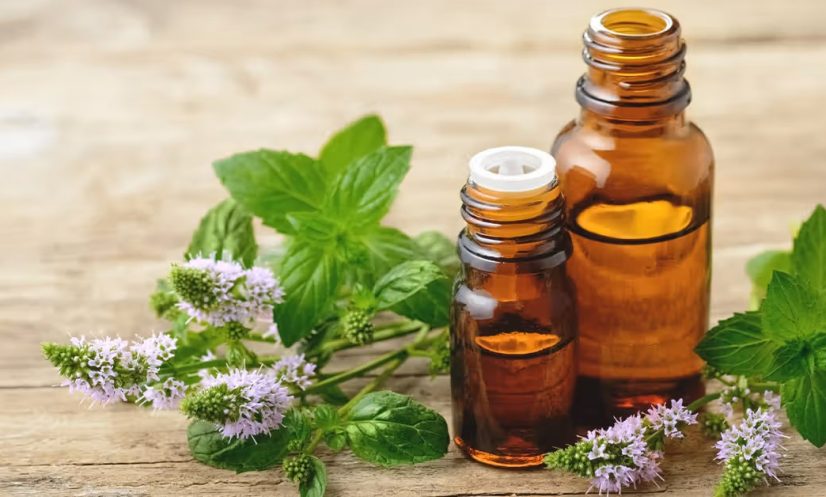
A small randomized study by researchers at the University of Lancashire suggests that peppermint oil may help reduce blood pressure in people with mildly elevated readings, offering a potentially simple and low-cost approach to supporting cardiovascular health.
The study, published in PLOS One, involved 40 adults with prehypertension or stage 1 hypertension. Participants were randomly assigned to receive either peppermint oil or a peppermint-flavoured placebo for 20 days.
Those in the peppermint group consumed 100 microliters of peppermint oil per day, divided into two doses. After 20 days, their adjusted systolic blood pressure—the upper number in a blood pressure reading—was about 8.5 mmHg lower than that of the placebo group. The peppermint group’s average systolic reading fell from about 130.1 mmHg at the beginning of the study to 122.0 mmHg after the intervention, while the placebo group showed virtually no change.
Researchers noted that peppermint contains compounds such as menthol and flavonoids that may have biological effects relevant to cardiovascular health. However, the study was relatively small and lasted only 20 days, meaning further research will be needed to determine whether the effect persists over longer periods.
The researchers also examined several other health measures, including diastolic blood pressure, resting heart rate, body measurements, blood markers, psychological wellbeing and sleep. The peppermint group also recorded lower adjusted diastolic blood pressure and resting heart rate compared with the placebo group. However, the study found no significant differences between the groups in several other measures, including anthropometric and blood-test outcomes.
Lead researcher Jonathan Sinclair and colleagues said the findings could have important implications given the global health burden associated with hypertension. They suggested that peppermint supplementation could represent a simple, inexpensive and well-tolerated strategy for supporting blood pressure reduction.
Despite the encouraging results, the findings do not establish peppermint oil as a replacement for prescribed blood-pressure treatment. The study involved only 40 participants, with one participant lost to follow-up and one adverse event reported in the peppermint group. Larger and longer-term clinical trials are needed before its effectiveness and safety can be fully established.
The research was published on April 23, 2026, in PLOS One.