


 Play store

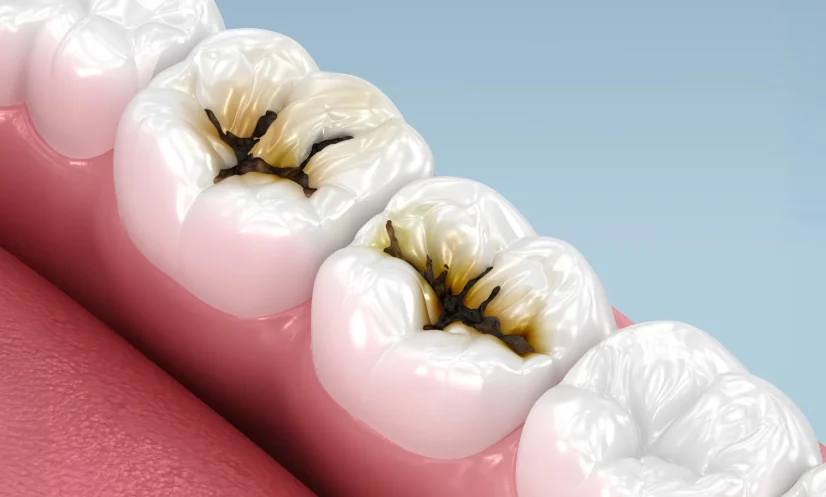
A simple liquid treatment that takes seconds to apply could stop tooth decay in young children without drilling, injections or sedation, according to a major clinical trial led by researchers at the University of Michigan.
The treatment, known as silver diamine fluoride (SDF), was found to stop decay in more than half of affected baby teeth when a 38 per cent solution was applied every six months, the study published in JAMA Pediatrics found.
The Phase III clinical trial involved 830 children under six years old recruited through dental clinics, paediatric medical practices and early childhood programmes in Michigan, New York and Iowa.
Unlike conventional fillings, which require dentists to remove decayed material and restore the tooth, SDF is applied directly to cavities using a small applicator. It helps prevent existing decay from progressing without requiring drilling or anaesthesia.
The treatment combines silver, which helps combat bacteria associated with tooth decay, and fluoride, which strengthens tooth enamel and helps protect against further damage.
“This is a very effective and safe treatment — even in children as young as 1,” said Margherita Fontana, a professor at the University of Michigan School of Dentistry and the study’s lead investigator.
Tooth decay is one of the most common chronic diseases among children. Untreated cavities can cause severe pain, infections, difficulty eating and sleeping, and missed school days. Young children may also struggle with conventional dental procedures, sometimes requiring general anaesthesia for treatment.
SDF could offer a simpler alternative, particularly for children who cannot easily undergo traditional dental procedures or have limited access to dental care. The treatment may also benefit older adults, people with disabilities and patients with severe dental anxiety.
However, the treatment has a significant cosmetic drawback: it permanently darkens the decayed portion of a treated tooth. This can be particularly noticeable when cavities affect front teeth.
Although dentists in several countries have used SDF for decades, its use in the United States has largely been off-label for cavity treatment. The US Food and Drug Administration cleared it as a medical device for treating tooth sensitivity in 2014.
Researchers say the large clinical trial provides important evidence supporting its safety and effectiveness in young children and could help expand access to less invasive cavity treatment.
SDF does not restore tooth structure lost to decay, and some cavities may still require conventional dental procedures. Nevertheless, the findings suggest that the inexpensive, quick-to-apply treatment could help prevent many cavities from worsening and reduce the need for more invasive interventions.