


 Play store

By Dr Tania Islam
For a woman diagnosed with breast cancer in Bangladesh, completing treatment is often a moment of enormous relief. After months of hospital visits, surgery, chemotherapy or radiotherapy, returning to everyday life represents a major achievement. Yet an important question remains: what happens after treatment ends? Are women receiving the nutritional, physical and emotional support they need to live healthier lives?
According to the International Agency for Research on Cancer, an estimated 13,000 women were newly diagnosed with breast cancer in Bangladesh in 2022, making it the most commonly diagnosed cancer among Bangladeshi women. While considerable attention is given to diagnosis and treatment, the long-term health and quality of life of survivors often receive less recognition.
Surviving breast cancer is not simply about living longer; it is also about living better.
Many survivors experience persistent fatigue, weight changes, reduced physical strength, emotional distress and difficulties returning to their normal routines. Healthy eating and regular physical activity are two important components of recovery that deserve greater attention.
In Bangladesh, food is deeply connected to family traditions, cultural practices and household finances. Rice, fish, lentils, vegetables and seasonal fruits are familiar components of everyday meals. When eaten in appropriate portions and combinations, these foods can support a balanced, nutritious diet.
However, excessive consumption of refined carbohydrates, fried foods and oily dishes, combined with insufficient intake of vegetables, fruits and protein-rich foods, can compromise dietary quality.
For breast cancer survivors, maintaining a healthy body weight and consuming a balanced diet are particularly important. International cancer survivorship guidelines recommend eating a variety of vegetables, fruits, whole grains and nutritious protein sources while limiting red and processed meats, highly processed foods, sugary drinks and alcohol.
Importantly, healthy eating does not require expensive imported products or special supplements. Affordable local foods such as lentils, eggs, small fish, leafy vegetables and seasonal fruits can provide essential nutrients.
Misconceptions about food and cancer also deserve attention. Some survivors unnecessarily avoid nutritious foods or follow restrictive diets based on unverified claims. No single food or special diet can guarantee that breast cancer will not return. Survivors should discuss any herbal remedies or supplements with their healthcare team, including their surgeon or oncologist, before using them, as some may interfere with treatment or ongoing care.
Alongside nutrition, regular physical activity plays a vital role in improving physical and psychological well-being after breast cancer treatment.
Research indicates that appropriate physical activity can reduce cancer-related fatigue, improve muscle strength, support weight management and enhance emotional well-being. Studies also suggest that higher levels of physical activity after a breast cancer diagnosis are associated with better survival outcomes, although exercise cannot guarantee protection against recurrence.
The World Health Organization recommends that adults living with chronic conditions, including cancer survivors, where medically appropriate, aim for at least 150–300 minutes of moderate-intensity physical activity each week, together with muscle-strengthening activities on two or more days.
For Bangladeshi women, this does not necessarily mean joining a gym or purchasing exercise equipment.
Brisk walking around the neighbourhood, walking in a nearby park, gentle stretching, swimming, cycling or simple exercises at home can be practical options. Women recovering from treatment can begin with short, comfortable sessions and gradually increase their activity according to their physical condition and medical advice.
However, everyday household responsibilities should not automatically be considered sufficient physical activity. Cooking, cleaning and caring for family members may keep women busy, but these activities do not always provide the sustained movement or muscle-strengthening benefits needed for better health.
Women experiencing persistent pain, severe fatigue, treatment-related complications or swelling in the arm or underarm area (lymphoedema) should seek professional guidance before beginning or increasing their exercise routines.
In many Bangladeshi households, women are responsible for preparing meals, managing household responsibilities and caring for family members. Even after cancer treatment, they may prioritise others’ needs over their own recovery.
As a result, finding time for exercise, medical follow-up or preparing nutritious meals can become challenging.
Family members can make a meaningful difference. Husbands, children and relatives can encourage regular walking, share household responsibilities, prepare balanced meals and provide emotional support.
Rather than expecting survivors to change their lifestyles alone, families can adopt healthier habits together.
Financial limitations and differences between urban and rural communities must also be recognised. Women living outside major cities may have limited access to oncology follow-up services, dietitians, physiotherapists and safe recreational spaces.
Therefore, lifestyle recommendations must be affordable, culturally appropriate and realistic for women’s everyday circumstances.
Breast cancer care in Bangladesh should extend beyond surgery, chemotherapy and radiotherapy. Nutritional assessment, physical activity counselling, psychological support and rehabilitation should become integral components of survivorship services.
Healthcare professionals can provide simple, evidence-based guidance on balanced meals, appropriate exercise and maintaining a healthy body weight. Community-based programmes and survivor support groups could further help women remain physically active and emotionally connected.
Policymakers should also recognise that improving cancer outcomes requires investment not only in early detection and treatment but also in long-term survivorship care.
Cancer survivors should have opportunities to rebuild their strength, regain confidence and fully participate in family and community life.
A woman’s journey after breast cancer should not be defined only by the disease she has overcome, but also by the quality of life she can reclaim.
Helping Bangladeshi women survive breast cancer is essential. Empowering them to eat well, stay physically active and live healthier, more fulfilling lives must become our next priority.
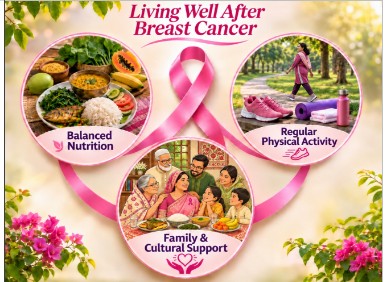
Life does not end after cancer. Healthy food, regular physical activity and social and family support provide strength for living well.
Writer: Medical Lecturer and Epidemiologist, Department of Surgery, Faculty of Medicine, Universiti Malaya, Malaysia