Play store

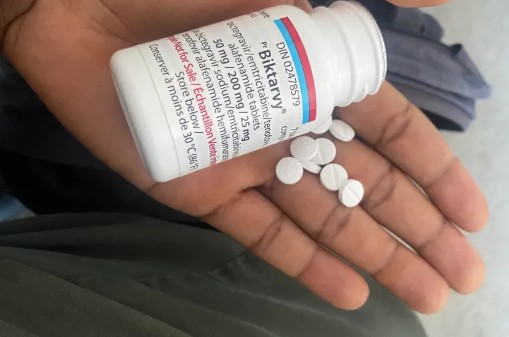
HARARE, Zimbabwe: When Shaun Moyo began working as a nurse at Parirenyatwa Hospital in Harare in the late 1990s, the devastating impact of the HIV epidemic was evident both inside and outside hospital wards. Patients crowded the wards, she recalls, while funerals had become a regular part of everyday life.
Nearly three decades later, the situation has changed dramatically. Antiretroviral drugs have transformed the lives of people living with HIV, while condoms, pre-exposure prophylaxis (PrEP), post-exposure prophylaxis (PEP) and other prevention options have given young people more ways to protect themselves.
Yet Moyo, now 48 and working locum shifts at two major public hospitals in Harare, worries that some young people are becoming less conscious of the risks of HIV infection.
Her concern reflects a wider public health challenge facing Zimbabwe: how to preserve decades of progress against HIV while ensuring that young people understand, can access and are willing to use the prevention tools available to them.
Dr Misheck Ruwende, a Zimbabwean family physician and advocate for reducing HIV-related stigma, shares that concern. In a public address on X in September, which attracted attention from members of the public and journalists, Ruwende warned that the country risked losing some of the gains achieved over decades.
“The sad part is that this is coming at a time we have the best options to prevent HIV, from rapid testing, PrEP, condoms, PEP to injectables,” he said.
“It wasn’t like that in the late 90s to early 2000s. It looks like we are now reversing all this huge success we had notched in recent times,” he added.
The scale of Zimbabwe’s progress is reflected in national statistics. UNAIDS estimates that annual new HIV infections fell from 79,000 in 2010 to 15,000 in 2023. Among people aged 15 to 24, new infections declined from an estimated 27,000 to 4,400 over the same period.
However, the decline does not mean the threat has disappeared. Sustaining these gains among young people remains a challenge as they navigate relationships, economic pressures and uneven access to youth-friendly healthcare services. The issue is also part of a broader regional struggle against an epidemic that continues to affect millions across sub-Saharan Africa.
For Moyo, the contrast between the devastating epidemic she witnessed as a young nurse and the attitudes she encounters today is difficult to accept.
“Seeing today’s youth who are blessed with condoms, ARVs and PrEP meds makes me furious,” she said. “In the 90s every weekend was a trek to cemeteries, not weddings.”
She believes the availability of effective treatment has changed how some young people view HIV. As the virus is no longer widely perceived as the immediate death sentence it once was, she worries that some underestimate the importance of prevention.
Moyo recalled conversations involving her son and his friends on Facebook, where one comment suggested that “getting blood pressure is worse than HIV”.
Her observations are personal rather than scientific evidence of changing attitudes among young people. Nevertheless, they highlight a difficult public health challenge: explaining why prevention remains essential even though modern treatment has made HIV a manageable chronic condition for many.
The concern extends well beyond Zimbabwe. UNAIDS estimated that 210,000 adolescent girls and young women aged 15 to 24 acquired HIV worldwide in 2023. Of these, around 160,000 were in sub-Saharan Africa, with nearly 60 per cent of the global total occurring in Eastern and Southern Africa.
Neighbouring South Africa illustrates the continuing scale of the epidemic in the region. UNAIDS estimated that 7.7 million people were living with HIV there in 2023.
Data from Gauteng province also highlight concerns over sexually transmitted infections (STIs). Between April and December 2023, 167,109 males attended public health facilities in the province, of whom 67,400 received treatment for Male Urethritis Syndrome (MUS), a condition associated with sexually transmitted infections.
The provincial health department reported that the incidence of MUS increased from 12 per cent in 2020 to 15 per cent in 2023. Although the figures point to a wider sexual health challenge, MUS is not itself a measure of HIV infection.
For Dr Linda-Gail Bekker, a South African HIV physician-scientist and co-author of the report on the PURPOSE 1 clinical trial, addressing the challenge requires combining scientific advances with prevention messages that resonate with young people.
The Phase 3 trial examined lenacapavir, a long-acting injectable drug administered twice a year to prevent HIV infection. In the trial’s primary analysis, none of the 2,134 women who received the drug acquired HIV.
The findings highlighted the potential of long-acting HIV prevention. However, Bekker believes medical advances must be accompanied by more effective communication strategies.
“Beating the old drum about the horrors of HIV, and shouting to youths about condoms is not necessarily going to cut it,” she said.
She argues that prevention campaigns must move beyond fear-based messaging and provide young people with accurate information, accessible healthcare services and the freedom to make informed decisions without judgement.
The task has become more difficult amid growing funding pressures. UNAIDS reported in March 2025 that disruptions to US-funded HIV programmes in Zimbabwe had affected services for key populations, including access to PrEP, testing and counselling.
Bekker has also expressed concern about whether existing prevention messages are reaching young people in ways they find relevant. Traditional pamphlets and warnings centred on abstinence or faithfulness may fail to engage those already making decisions about sex and relationships.
She believes public health workers need to acknowledge the realities young people face and provide practical information on reducing the risk of infection, including through PrEP. Healthcare services must also be adolescent-friendly, allowing young people to seek advice and treatment without fear of discrimination or judgement.
In Harare, 23-year-old peer educator Angela Gutu is taking that message beyond conventional healthcare facilities.
Working with the Harare municipality, the health ministry, non-governmental organisations and churches, she helps organise pop-up health services at markets, transport hubs, university campuses and sporting events. The initiative takes information and services directly to places frequented by young people instead of expecting them to navigate formal healthcare facilities.
Gutu said seeking an HIV test or screening for sexually transmitted infections at a clinic could be intimidating for some young people. Fear of judgement or insensitive treatment by healthcare workers often discourages them from seeking help.
At the pop-up clinics, young people can access HIV self-testing kits and condoms, while mobile health workers provide referrals for PrEP and other services. Peer educators help make discussions less daunting, allowing young people to ask questions in a more comfortable environment.
“It’s about speaking young people’s lingo, taking away the HIV stigma,” Gutu said.
Her work reflects a growing recognition that simply making HIV prevention services available is not enough. They must also be accessible, confidential and responsive to the concerns and realities of young people.
For Zimbabwe, the challenge now is to ensure that the remarkable progress made against HIV over the past three decades is not undermined by gaps in awareness, prevention and access to healthcare. Source: Al Jazeera News