Play store

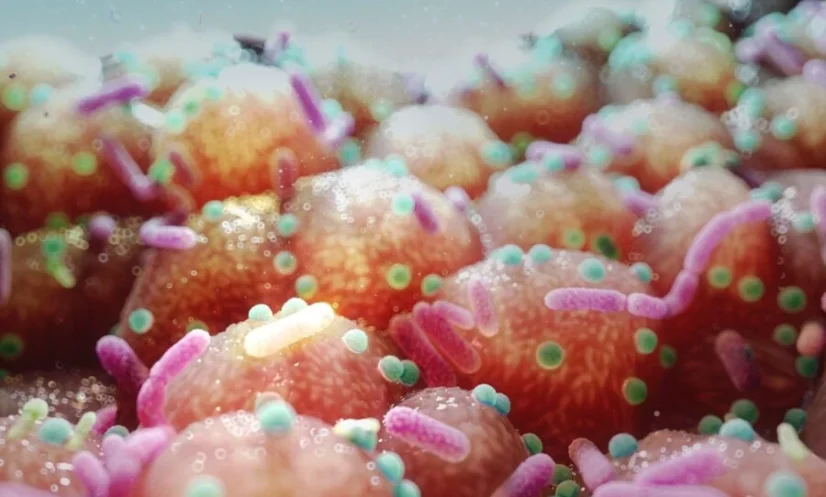
Scientists have identified a gut bacterium that could help reduce body weight and visceral fat, raising the possibility of developing new approaches to preventing obesity.
The bacterium, called Clostridium immunis, was found to produce a beneficial effect on weight and fat levels in experiments involving mice, according to a new study published in the journal Cell Host & Microbe.
Researchers found that mice given a single oral dose of the bacterium weighed 3 per cent less after one week than untreated animals. Their blood triglyceride levels, a type of fat associated with cardiovascular risks, also fell by 25 per cent.
The treated mice also had about one-third less visceral fat than the control group. Visceral fat is stored deep inside the abdomen, surrounding vital organs, and excessive amounts are associated with several serious health problems.
In another experiment, researchers fed mice a high-fat diet for 12 weeks. The untreated animals gained around 50 per cent of their body weight during the period.
However, mice receiving weekly doses of C. immunis gained 13 per cent less weight than those in the control group.
Further experiments revealed that the bacterium’s metabolic benefits came from a bioactive substance it releases, rather than from the microorganism itself.
The substance was identified as an exopolysaccharide (EPS), a complex sugar molecule produced by bacteria.
When researchers administered the EPS separately to mice, it produced similar weight-loss and fat-reduction effects, suggesting that the compound was responsible for the observed benefits.
Scientists had previously discovered that C. immunis could protect mice against intestinal inflammation. The latest findings indicate that the bacterium may also influence how the body regulates fat storage and metabolism.
The researchers said the findings offer new insights into the relationship between gut microbes and obesity.
However, the experiments were conducted in mice, and further research will be needed to determine whether the bacterium or its sugar compound can produce similar effects in humans.
The findings could eventually help scientists explore new ways of tackling obesity through gut microbiome-based treatments.