Play store

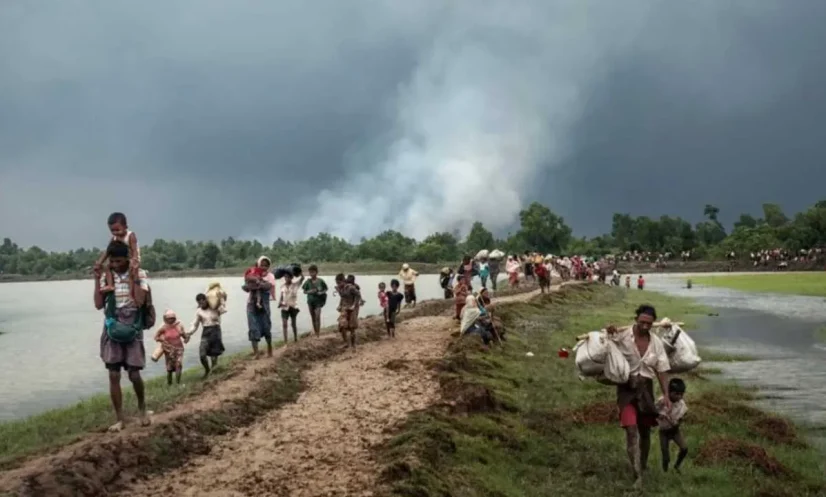
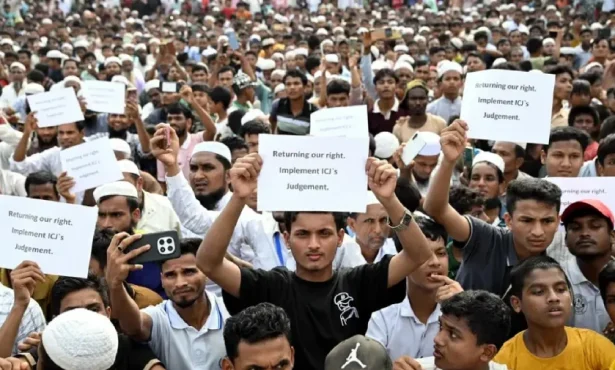
More than one million Rohingya refugees living in Bangladesh are eagerly awaiting a landmark judgment from the International Court of Justice (ICJ) today, hoping it will bring them closer to justice and eventually pave the way for their safe return to Myanmar.
The United Nations’ highest court is scheduled to deliver its verdict on Thursday in a case filed by The Gambia against Myanmar, accusing the country of violating the 1948 Genocide Convention through atrocities committed against the Rohingya Muslim minority.
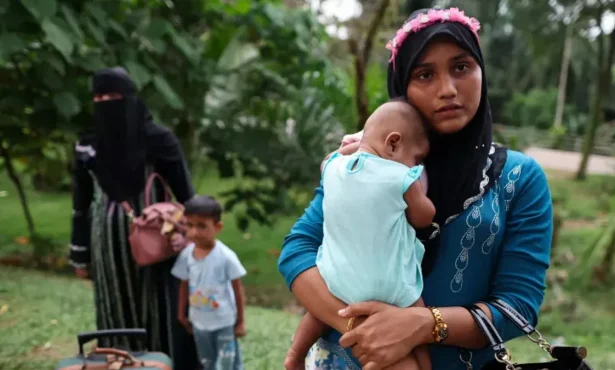
The case was filed in November 2019, following a brutal military crackdown in Myanmar’s Rakhine State in 2017 that forced more than 700,000 Rohingya to flee to neighbouring Bangladesh.
Survivors reported widespread killings, sexual violence, torture and the burning of villages during the military operation.
The ICJ had earlier, in January 2020, ordered Myanmar to take provisional measures to prevent acts prohibited under the Genocide Convention, protect the Rohingya community and preserve evidence related to the alleged atrocities.
Following preliminary proceedings and hearings on the merits of the case in January this year, the court is now set to deliver its final judgment after nearly seven years of legal proceedings.
The Gambia has asked the court to declare that Myanmar violated its obligations under the Genocide Convention and to ensure accountability, reparations for victims and guarantees that such atrocities will not happen again.
Eleven countries have also intervened in the proceedings to present their positions on the interpretation of the convention.
A ruling establishing that genocide took place could represent a significant international recognition of the suffering endured by the Rohingya and increase diplomatic pressure on Myanmar to ensure justice.
However, the judgment will not automatically guarantee the refugees’ repatriation, compensation or the restoration of their citizenship and other rights.
Refugee representatives in Cox’s Bazar have expressed hope that the verdict will strengthen their demand for a safe, voluntary and dignified return to their homeland.
Human rights organisations have also called for a survivor-centred reparations process, including the restoration of citizenship, compensation for lost land and property, and recognition of the rights of the Rohingya community.
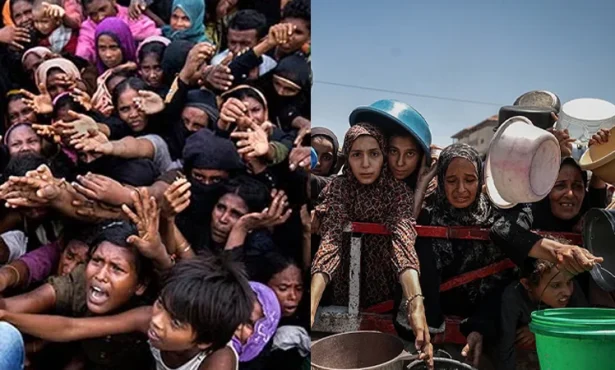
Meanwhile, concerns remain over the deteriorating situation in Rakhine State, where displacement, insecurity and restrictions on Rohingya communities have further complicated prospects for repatriation.
The International Court of Justice’s judgment will be legally binding on Myanmar. However, the court has no independent enforcement mechanism, meaning implementation will depend largely on international pressure and cooperation.
The landmark ruling is also expected to have wider implications for international law and future cases involving allegations of genocide.
The verdict is scheduled to be delivered at 10:00am local time in The Hague (3:00pm Bangladesh time).