


 Play store

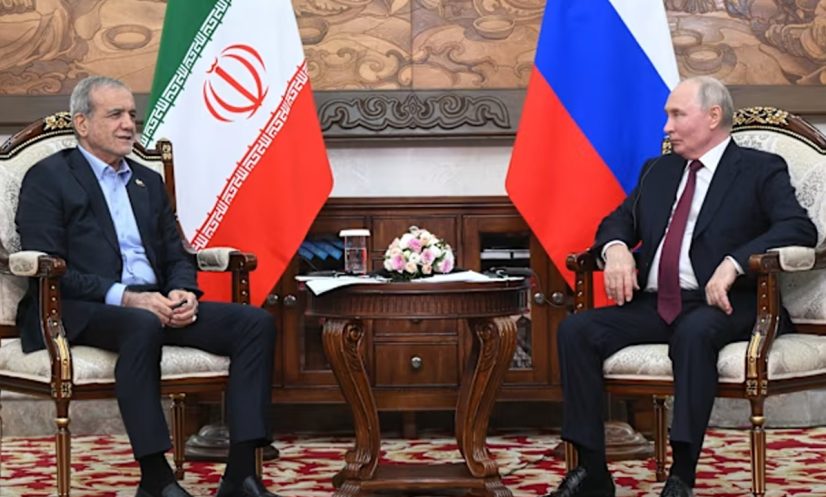
Russia has been secretly helping Iran develop advanced supersonic cruise missiles under a multi-year programme, according to an investigation by the Financial Times (FT).
The programme, codenamed C430L, reportedly began in 2023 and involves Russian missile specialists helping Iran develop ramjet propulsion technology, which could enable cruise missiles to travel at several times the speed of sound.
FT said it reviewed leaked Russian correspondence, travel records and military patents indicating that the cooperation continued even during Iran’s recent conflict with Israel and the United States.
Experts cited by the report said such missiles could pose a significant threat to warships, including US aircraft carriers, because their high speed and low-altitude flight could reduce the time available for air-defence systems to detect and intercept them.
Iran has reportedly already developed and tested ramjet propulsion systems, but there is no evidence that a Russian-assisted supersonic cruise missile has yet been deployed.
The programme is being coordinated by Russia’s state arms exporter Rosoboronexport in cooperation with missile manufacturer NPO Mashin ostroeniya, according to FT. The report said Russian engineers have analysed Iranian flight-test data and sought detailed information on the propulsion system, including its fuel, combustion stability and air intake.
Neither the Kremlin, Rosoboronexport nor NPO Mashin ostroeniya responded to FT’s requests for comment, while the Iranian government also did not respond.
The reported cooperation highlights the deepening military relationship between Moscow and Tehran, which has expanded significantly in recent years, including collaboration involving drones and other military technologies.