Play store

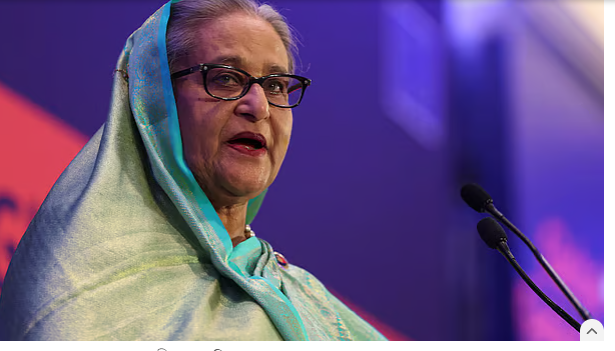
DHAKA: Ousted Prime Minister Sheikh Hasina, who fled to India amid the July mass uprising, has applied for a new passport and national identity card (NID). She submitted the applications on Monday as part of her plan to return to Bangladesh in December, according to a Reuters report.
The report said neither the Bangladesh High Commission in New Delhi nor Prime Minister Tarique Rahman’s spokesperson in Dhaka immediately commented on the matter.
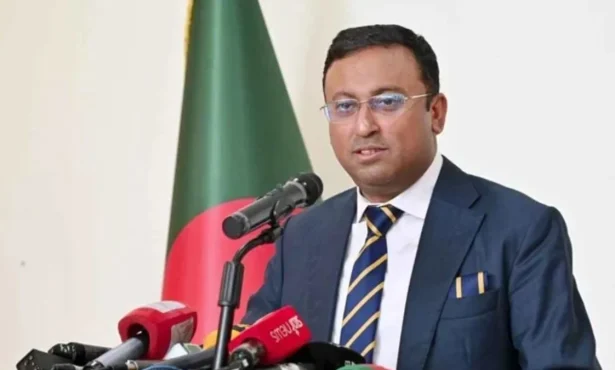
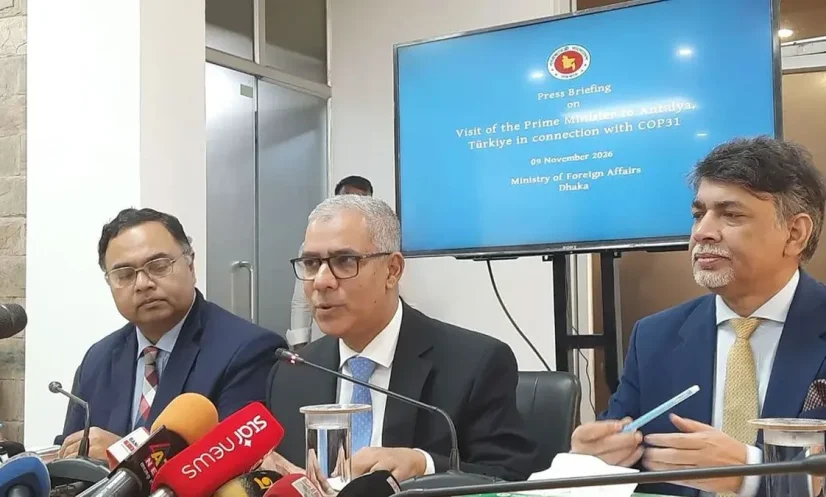
The issue was raised with newly appointed Foreign Secretary Salahuddin Noman Chowdhury at a press conference at the Ministry of Foreign Affairs on Monday morning, held to discuss Prime Minister Tarique Rahman’s upcoming visit to Türkiye.
In response, he told reporters that Prime Minister Tarique Rahman would leave for Türkiye on Tuesday for a two-day visit to attend the COP31 climate summit. He said the briefing was primarily about the COP31 conference and that he had no comment on the matter of Hasina’s passport.
Reuters reported that it had obtained a letter concerning Hasina’s application for a new passport and NID. This is her first formal communication with Bangladeshi authorities since fleeing the country for India in 2024.
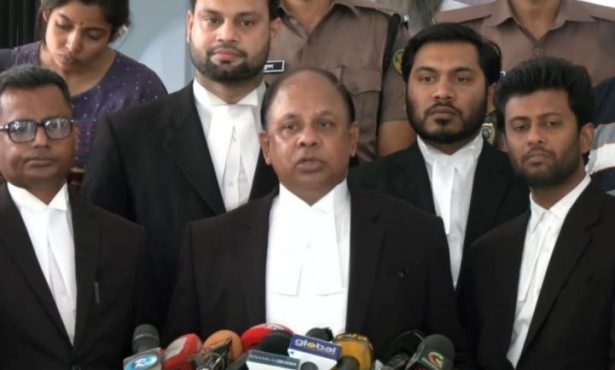
The letter was sent by lawyers from London-based legal firm Matrix Chambers. Addressed to Priti Rahman, acting high commissioner at the Bangladesh mission in New Delhi, it requested the issuance of a new passport and NID for Hasina.
The letter reportedly stated that the former interim government and relevant authorities had cancelled Hasina’s previous passport and NID. Citing her Bangladeshi citizenship and the country’s obligations under international human rights conventions, the lawyers requested that the necessary steps be taken to issue the two documents promptly.
Sheikh Hasina was ousted from power in August 2024 following the student-led mass uprising. She has been staying in India since then. In November 2025, the International Crimes Tribunal sentenced her to death in absentia over allegations that she ordered a deadly crackdown on protesters during the uprising.
Hasina’s efforts to return to Bangladesh could trigger fresh political tensions. The activities of her Awami League party are currently banned. Many of its leaders and activists are in prison, while others are staying in India and elsewhere.
Reuters reported that India’s decision to provide refuge to Hasina has also strained relations between Dhaka and New Delhi. Her efforts to return could introduce a new dynamic into bilateral relations, the news agency suggested.